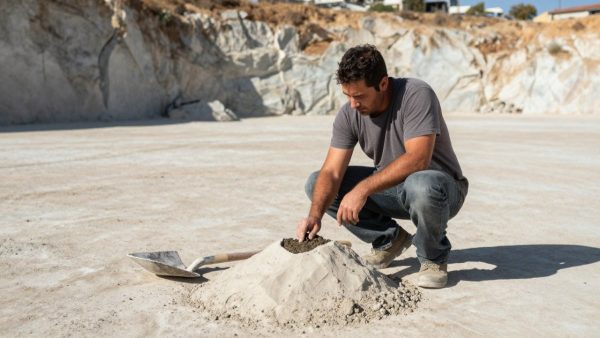
Silt vs Clay in Sand: Key Differences Explained
Silt vs clay in sand decides drainage, compaction and stability. Compare particle size, plasticity and field tests to judge your aggregate before pouring.
Last Updated: September 8, 2026
A project is only as strong as the materials beneath it, and for West Coast construction, that means paying close attention to where your sand and gravel come from. The region’s seismic activity, seasonal rain patterns, and varied soil conditions demand aggregates that meet strict durability and gradation standards. This guide from FST Sand, a family-owned supplier serving Southern California since 1964, breaks down how to select, calculate, and source materials that perform on site.
The real difference between a smooth project and a costly redo often comes down to material consistency, inconsistent grading in a base layer can lead to settling, cracking, or drainage failures that surface months later.
Calculating cubic yards of gravel starts with a simple formula: length in feet times width in feet times depth in feet, divided by 27. This gives you the volume in cubic yards, which is the standard unit for ordering bulk aggregates in the United States.
For a driveway that is 20 feet long, 10 feet wide, and you want a 4-inch depth, the math looks like this: 20 × 10 × 0.33 = 66 cubic feet, then 66 ÷ 27 = 2.44 cubic yards (extension.org). Always round up by 10-15 percent to account for compaction and uneven subgrades, since gravel settles once it is spread and rolled.
| Project Type | Typical Depth | Calculation Notes |
|---|---|---|
| Driveway base layer | 4-6 inches | Compact in 2-inch lifts |
| Walkway or patio base | 3-4 inches | Add 10% for settlement |
| Drainage trench fill | 6-12 inches | Use washed gravel for flow |
| Paver bedding sand | 1 inch | Screed level before placing pavers |
A common mistake is underestimating depth for vehicle traffic: a driveway supporting trucks or heavy equipment needs closer to 6 inches of compacted base, not the 4 inches that works for a standard car. Over soft soil, add a geotextile fabric and additional depth to prevent the aggregate from pushing down.
Crushed stone is the better choice for driveways that will carry regular vehicle traffic, because its angular edges lock together when compacted to form a stable, load-bearing surface. Natural gravel, with its rounded, smooth stones, tends to shift and displace under weight, creating ruts and uneven spots over time.
Crushed stone is manufactured by mechanically crushing larger rock into jagged, interlocking pieces, making it ideal for base courses and foundation materials. Gravel, by contrast, is naturally rounded by water and erosion, better suited for decorative ground cover, drainage, and softer natural looks.
For a typical residential driveway, most contractors recommend a two-layer approach: a 4-inch base of crushed stone (often called aggregate base or road base) compacted thoroughly, topped with a 2-inch layer of smaller crushed rock or decorative gravel for the finished surface. The angular base provides structural support, while the top layer handles aesthetics and initial contact with tires.
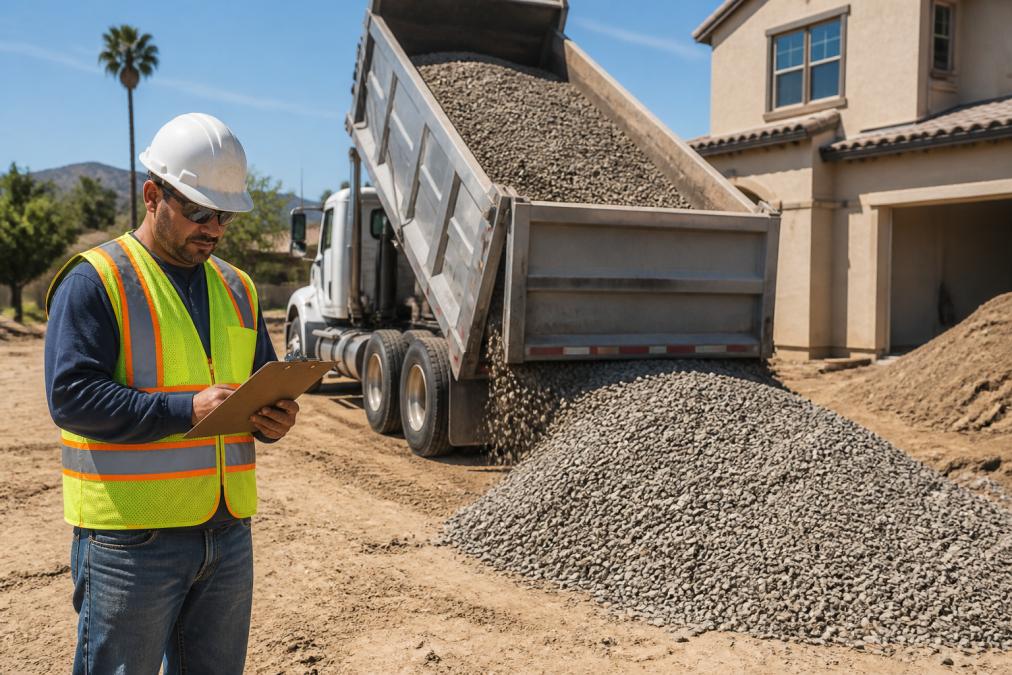
Choosing the wrong sand or specialty aggregate is a silent project killer, the differences here are subtle but consequential.
Sand is classified by particle size and gradation, and the wrong choice can ruin a mix or a base. Here are the types you will encounter most often on the West Coast:
The silt test you can do on site: Fill a clear jar halfway with sand, add water to the top, shake it, and let it settle for an hour. If a distinct layer of muddy silt settles on top, the material is too dirty for concrete or drainage work. A reputable supplier will provide a gradation report showing silt content below 5% for washed products.
Beyond the standard crushed rock and natural gravel, specialty products solve specific engineering and aesthetic problems. Here is how to choose between them:
Ask yourself these three questions before ordering:
Sourcing aggregates is not just a logistics decision, it is an environmental and regulatory one. On the West Coast, where seismic codes, stormwater regulations, and local sourcing mandates intersect, the origin of your material carries real weight.
The single largest environmental impact of aggregate is often not the mining itself, but the hauling. A typical dump truck carries about 14 tons; moving that load 50 miles burns roughly 5-6 gallons of diesel per trip, emitting about 120 pounds of CO2 (afdc.energy.gov). Multiply that by dozens of loads, and transportation’s carbon footprint can exceed extraction and processing combined.
Local sourcing is more than a marketing talking point: buying from a supplier with a quarry within 20 miles of your site cuts transportation emissions by 60-80% compared to hauling from 100 miles away. Many public works contracts in California now require contractors to document haul distance as part of the project’s environmental impact report.
Not all quarries operate the same way. When evaluating a supplier, ask about their extraction and reclamation practices:
Two regulatory frameworks shape how aggregates are sourced and used in this region:
A supplier offering a low per-ton price may be sourcing from a distant quarry or a site with inconsistent quality. Hidden costs include:
The best sand and gravel supplier combines consistent quality, reliable delivery, and transparent communication. Start by asking for gradation reports and test results verifying the material meets your project’s specifications.
Delivery logistics deserve as much scrutiny as material quality. Ask about minimum order quantities, delivery windows, and what happens if a truck arrives late or material is rejected on site, a supplier that cannot commit to a delivery schedule in writing is a risk you do not need.
Consider the supplier’s experience with projects similar to yours, a company that has served Southern California since 1964 has navigated changing building codes, shifting market demands, and the region’s unique geological conditions.
Proper installation is where good materials either perform or fail, and most issues trace back to inadequate site preparation or compaction. The subgrade must be stable and properly graded before any aggregate is placed, soft spots should be excavated and replaced rather than covered over.
Compaction happens in layers, called lifts. For crushed stone base, each lift should be no more than 4-6 inches thick before being compacted with a plate compactor or roller. Attempting to compact a 12-inch lift in one pass leaves the bottom loose, leading to settling and surface failure later.
Drainage is the silent partner in any aggregate installation. Water that pools beneath a driveway or patio will soften the subgrade and cause movement, ensure slopes direct water away from structures and use washed drainage rock in French drains or trench systems.
Choosing the right sand and gravel for a West Coast project comes down to understanding your site, calculating volumes accurately, and partnering with a supplier that can document quality and deliver on schedule. The cheapest quote rarely stays the cheapest once you factor in rework and delays.
At FST Sand, we have supplied precision-processed aggregates to Southern California projects since 1964, from residential landscaping to large-scale infrastructure. Our family-owned team provides crushed stone, concrete sand, riprap, and more, backed by decades of industry expertise and a commitment to sustainable practices. Request a quote from FST Sand and build with materials you can trust.
Concrete sand and masonry sand are graded for different jobs. Concrete sand has larger, angular grains that interlock, creating a strong, stable base for concrete slabs and pavers. Masonry sand is finer and washed, making it easier to work with for mortar joints and leveling. Choosing the wrong type can compromise the structural integrity of a pour or the finish of a masonry project.
To calculate cubic yards of gravel, measure the project’s length and width in feet, then multiply by the desired depth in feet (depth in inches divided by 12). Divide that number by 27 to get the cubic yards. For a driveway base, a 4-inch depth is common. Always add 5-10% extra to account for settling and compaction.
Yes. Look for a supplier that prioritizes sustainable practices, such as recycling concrete and asphalt, managing water use, and progressive reclamation of quarry sites. Ask for documentation on their sourcing and processing methods. A long-standing, family-owned supplier often has a strong commitment to the local environment and community.
Prioritize suppliers with consistent quality and reliable delivery. Ask for third-party test certifications to verify material specs like silt content and gradation. Confirm they can handle your project size, whether it is a small residential job or a large infrastructure build, and check their track record for on-time delivery.
Silt vs clay in sand decides drainage, compaction and stability. Compare particle size, plasticity and field tests to judge your aggregate before pouring.
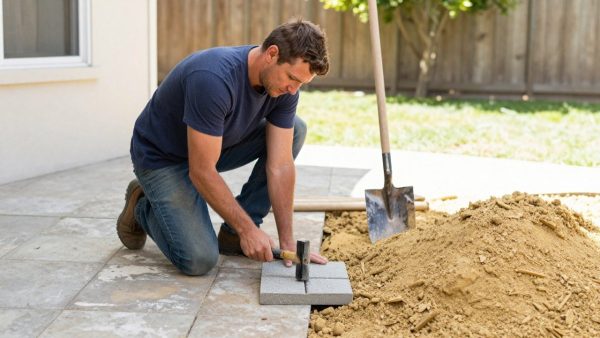
Learn how to fix sinking patio pavers step by step, from diagnosing the low spot to resetting stones and refilling joints with polymeric sand.
Calculate riprap material quantity with a step-by-step workflow from cubic yards to tons, then order the right amount with confidence.