
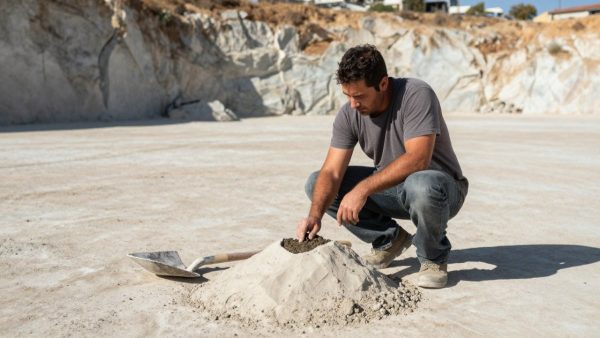
Silt vs Clay in Sand: Key Differences Explained
Silt vs clay in sand decides drainage, compaction and stability. Compare particle size, plasticity and field tests to judge your aggregate before pouring.
Last Updated: October 25, 2026
Quick Summary
Sustainable site preparation is the practice of readying land for construction while minimizing environmental impact, reducing waste, and protecting natural resources. This approach combines conventional site assessment and grading with deliberate strategies to conserve soil quality, manage stormwater responsibly, and preserve native ecosystems.
Sustainable site preparation is the practice of readying land for construction while minimizing environmental impact, reducing waste, and protecting natural resources.
The core tension in site preparation is this: speed and cost often conflict with environmental stewardship. Most projects rush through clearing and grading to meet schedules. The result is compacted soil, eroded slopes, and wasted material. Sustainable site preparation flips that priority.
Before breaking ground, establish a baseline you can actually measure against later.
Start with a mapped site walk. Photograph the existing landscape and mark it up against a site plan.
Define the baseline indicators before disturbance. A practical set for most projects includes:
Measure water and erosion where they matter. If the site drains to a sensitive area, establish baseline water quality and quantity.
Translate the baseline into a sustainability-first sequence. The assessment should end with a decision order that the rest of the project follows: preserve what can be preserved, strip and stockpile topsoil, limit the disturbed area to the working footprint, phase clearing to match grading, and schedule erosion controls before each phase rather than after. Competitors describe assessment as a checklist; the value is in using it to sequence every later decision.
Establish these baseline indicators before ground disturbance to track progress and meet regulatory requirements.
| Baseline Indicator | What to Measure | Purpose |
|---|---|---|
| Disturbed area | Square footage of soil stripped, graded, or compacted | Drives erosion, dust, and stormwater obligations |
| Topsoil retained | Cubic yards stripped and stockpiled versus hauled off | Preserves biologically active layer for reuse |
| Soil compaction | Baseline penetration resistance or bulk density | Proves vegetated areas were not compacted |
| Water used | Gallons for dust control, compaction, and concrete | Tracks against planned budget |
| Waste diverted | Tons of excavated soil, concrete, asphalt reused or recycled | Measures landfill diversion |
| Fuel consumed | Gallons of diesel and gasoline across equipment | Converts directly to emissions and cost |
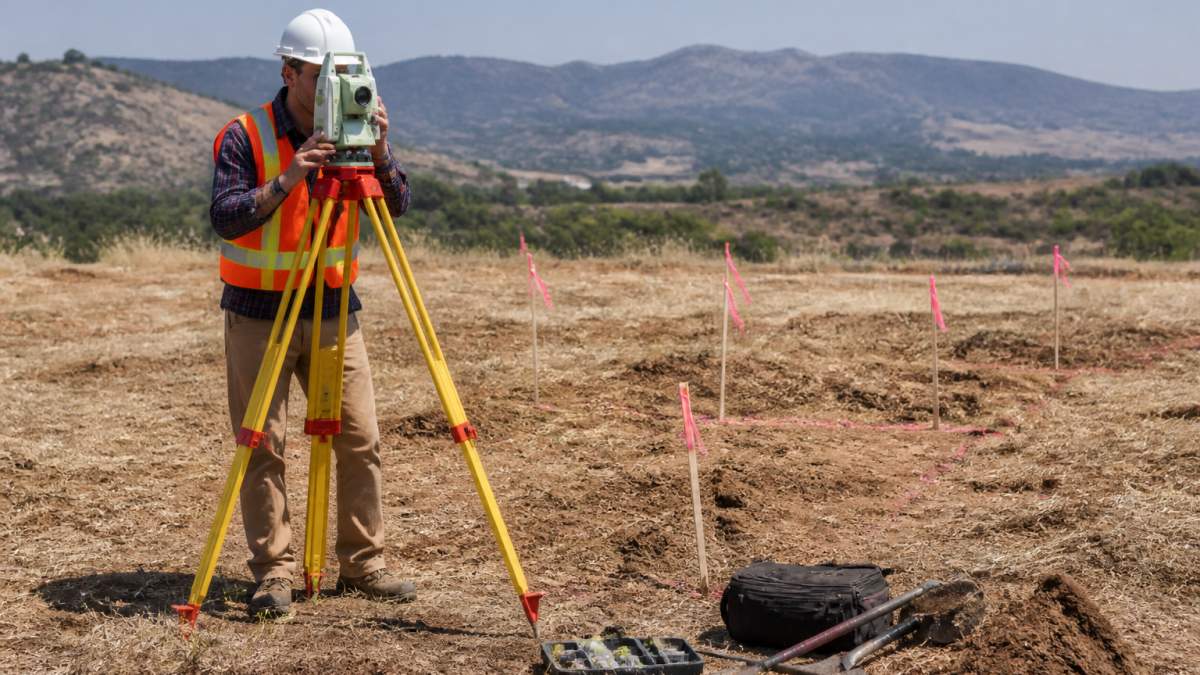
Precise surveying prevents costly rework. Mark property lines, utility corridors, and no-disturbance zones before equipment arrives. Identify native vegetation worth preserving.
Work with a land surveyor to establish grade elevations, drainage patterns, and building footprints. Use survey flags to mark these boundaries clearly.
Native vegetation protection is not sentiment. It’s practical. An established native tree provides shade, root reinforcement, and stormwater infiltration that new plantings won’t deliver for years.
Soil testing reveals what you can reuse and what you cannot. Tests measure soil composition, bearing capacity, compaction characteristics, and contaminant levels.
Soil stabilization prevents settlement and erosion. The middle ground is precision compaction to specified density. Learn more about soil media for proper ground stabilization.
Many projects use additives to stabilize soil: cement, lime, or recycled materials. These methods work but require careful sequencing.
Erosion control begins with understanding how water moves across your site, and with knowing what you are legally required to do about it. Under the federal Clean Water Act, construction sites that disturb one acre or more generally need coverage under an EPA or state-issued Construction General Permit, which requires a Stormwater Pollution Prevention Plan (SWPPP) (the EPA).
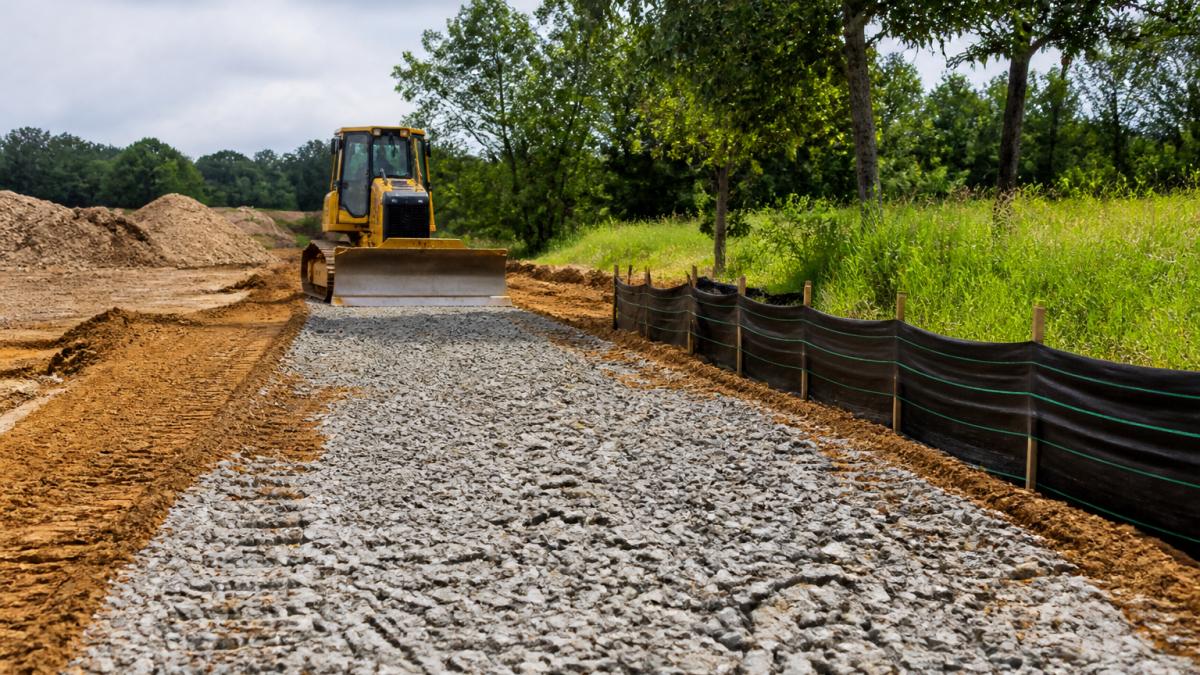
Identify high-risk areas first. Map steep slopes, bare soil near waterways, exposed subgrade, and concentrated flow paths. Install erosion and sediment controls before disturbance begins in each area, not after.
Match the control to the mechanism. Silt fence traps sheet-flow sediment but fails under concentrated flow. Rip rap and vegetated buffers armor channels and outlets. Learn more about rip rap and erosion control methods to compare material options for slope protection, and choose based on slope steepness, flow velocity, soil type, and site access rather than habit.
Stabilize exposed soil fast. Bare soil erodes in the first heavy rain. Seed with native grasses, apply erosion control blankets, or use dust control measures depending on site conditions and timeline.
Inspect and maintain on a schedule. Most construction general permits require regular inspection of stormwater controls, commonly at least once every seven days and within 24 hours after a qualifying rain event, plus maintenance and recordkeeping. Build that cadence into the site schedule. A silt fence that has been knocked down for two weeks is a violation waiting to be photographed.
Design for the storm you are actually getting. Historical rainfall patterns are an increasingly unreliable guide.
Connect erosion control to the waste and materials plan. Reuse stripped topsoil for final stabilization instead of buying imported seed bed material. Use recycled concrete aggregate for temporary haul roads and stabilized construction entrances, then recover it where specifications allow. Every load of material kept on site is a load that does not have to be trucked in or out, which reduces fuel, emissions, and the disturbed area needed for staging.
Stormwater management is no longer optional. Regulations require sites to capture and treat runoff before it enters municipal systems.
Design your drainage system to mimic pre-development hydrology. Instead of channeling all runoff into pipes, use bioswales, rain gardens, and permeable surfaces to allow infiltration.
Climate resilience means planning for more intense rainfall events. Historical rainfall patterns no longer predict future conditions.
Permeable pavements, porous asphalt, and gravel surfaces reduce runoff volume and allow infiltration.
Construction waste is material you excavated, removed, or demolished. Sustainable site planning treats waste as a resource. Excavated soil becomes fill material.
Establish a waste management plan before construction begins. Identify what materials will be generated, where they’ll be staged, and how they’ll be reused or disposed of.
Measure waste diverted from landfills. Track the volume of soil reused, concrete recycled, and vegetation composted.
Recycled concrete aggregate (RCA) is crushed concrete from demolished structures.
Explore crushed miscellaneous recycled base options to see how recycled materials meet site preparation needs. RCA typically costs less than virgin material, meets most engineering specifications, and reduces your project’s environmental footprint.
Not all applications suit RCA. High-strength concrete, architectural finishes, and precision applications often require virgin material. Understand the specification requirements for your project and choose material accordingly. When RCA works, use it.
Sustainable site preparation follows a structured sequence: conduct a thorough site assessment and environmental baseline survey; perform land surveying and mark utility locations; complete soil testing to understand ground conditions; protect native vegetation and clear debris selectively; stabilize soil and manage erosion; install drainage and stormwater systems; and plan for waste reduction and material reuse. Each step must comply with local environmental regulations and project-specific sustainability targets. The order matters, assessment informs all downstream decisions about equipment, materials, and methods.
Construction site erosion control best practices include installing sediment barriers, silt fences, and erosion blankets before excavation begins. Stabilize exposed soil immediately using temporary seeding, tackifiers, or dust suppressants. Route stormwater through sediment control devices before it leaves the site. Minimize land disturbance by limiting equipment access to designated paths. Schedule clearing and grading to avoid heavy rainfall seasons when possible. Maintain vegetated buffer zones around sensitive areas. Implement slope protection using erosion control matting on steep grades. Regular inspection and maintenance of these controls throughout the project lifecycle prevent both environmental damage and costly rework.
Recycled concrete aggregate (RCA) is crushed concrete from demolished structures, sorted and processed to meet construction standards. Using recycled concrete aggregate for site preparation reduces the demand for virgin stone extraction, lowering transportation emissions and landfill waste. RCA can be used as base course, fill material, and drainage layers, performing identically to conventional aggregates in many applications. It also reduces project costs compared to new material in many cases. Beyond environmental benefits, RCA supports construction site waste reduction by diverting demolition debris from landfills back into productive use, creating a circular material flow that strengthens both sustainability credentials and project economics.
Baseline measurements establish the site’s existing conditions: soil composition, groundwater levels, vegetation coverage, stormwater runoff volume, and carbon emissions from equipment. Sustainability targets translate these baselines into measurable goals, for example, reducing runoff by 20%, protecting 80% of native trees, or limiting fuel consumption to X gallons. These targets inform material selection (e.g., preferring recycled aggregates), equipment choices (lower-emission machinery), and sequencing (minimizing disturbance windows). Documentation of baselines and progress toward targets satisfies environmental compliance requirements, supports municipal sustainability reporting, and provides data to justify cost-benefit trade-offs between conventional and sustainable methods.
Site preparation typically requires permits from local planning and building departments, plus environmental clearances from agencies overseeing water quality, wetlands, endangered species, and air quality. The Clean Water Act requires stormwater pollution prevention plans (SWPPP) for construction sites disturbing one or more acres. State and local erosion control regulations mandate specific sediment control measures. Archaeological or cultural resource surveys may be required. Hazardous materials assessments determine if contamination remediation is needed. Municipal codes specify grading, drainage, and utility installation standards. Compliance documentation, permits, inspection reports, material certifications, must be maintained throughout the project. Working with a qualified environmental consultant or engineer ensures all applicable requirements are identified and met.
Climate resilience in site preparation means designing drainage, grading, and stabilization systems to handle projected rainfall intensity and frequency changes, not just historical averages. This includes oversizing stormwater systems, using permeable pavements and infiltration basins to reduce runoff, and grading to direct water away from sensitive areas. Slope stabilization accounts for increased moisture and erosion risk. Native vegetation selection prioritizes species adapted to changing temperature and precipitation patterns. Soil compaction and foundation design consider subsidence and flooding scenarios. Planning for climate resilience upfront prevents costly failures, regulatory violations, and project delays caused by unexpected weather events or changing environmental conditions during construction or the building’s operational life.
A comprehensive sustainable site preparation checklist covers: environmental baseline survey and permit requirements; utility locating and marking; soil testing and contamination assessment; native vegetation mapping and protection plan; erosion and sediment control installation; stormwater management system design; waste segregation and recycling protocols; low-emission equipment specification; material sourcing preferences (recycled aggregates, sustainably harvested); compliance inspections and documentation; and post-project restoration plans. The checklist should reference project-specific sustainability targets, local regulations, and stakeholder requirements. Regular review ensures nothing is missed, reduces rework, and creates an audit trail demonstrating environmental stewardship to regulators, clients, and the public.
Sustainable site preparation requires planning, measurement, and commitment. The payoff is projects that perform better, cost less over their lifecycle, and meet environmental regulations without compromise. FST Sand has supplied materials for hundreds of sustainable projects across the region. Request a quote to discuss your site preparation needs and explore how recycled and sustainable materials can strengthen your project while protecting the environment.
Silt vs clay in sand decides drainage, compaction and stability. Compare particle size, plasticity and field tests to judge your aggregate before pouring.

Learn how to fix sinking patio pavers step by step, from diagnosing the low spot to resetting stones and refilling joints with polymeric sand.
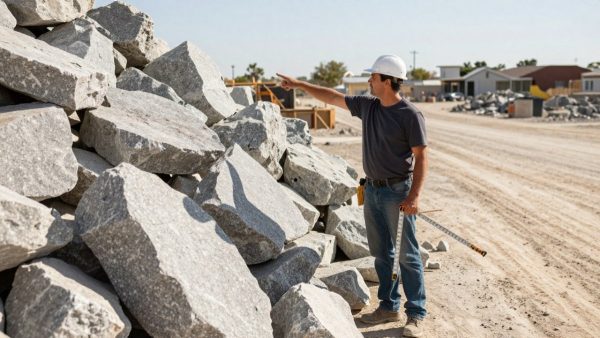
Calculate riprap material quantity with a step-by-step workflow from cubic yards to tons, then order the right amount with confidence.