
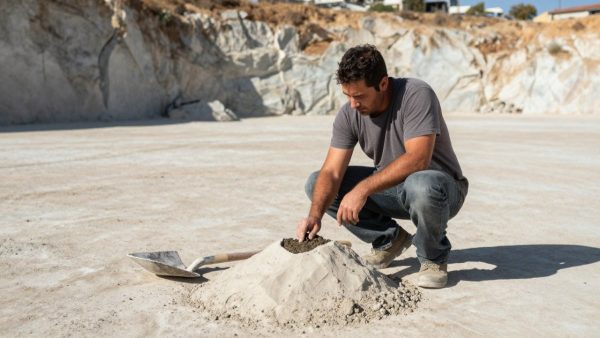
Silt vs Clay in Sand: Key Differences Explained
Silt vs clay in sand decides drainage, compaction and stability. Compare particle size, plasticity and field tests to judge your aggregate before pouring.
Last Updated: November 4, 2026
Quick Summary
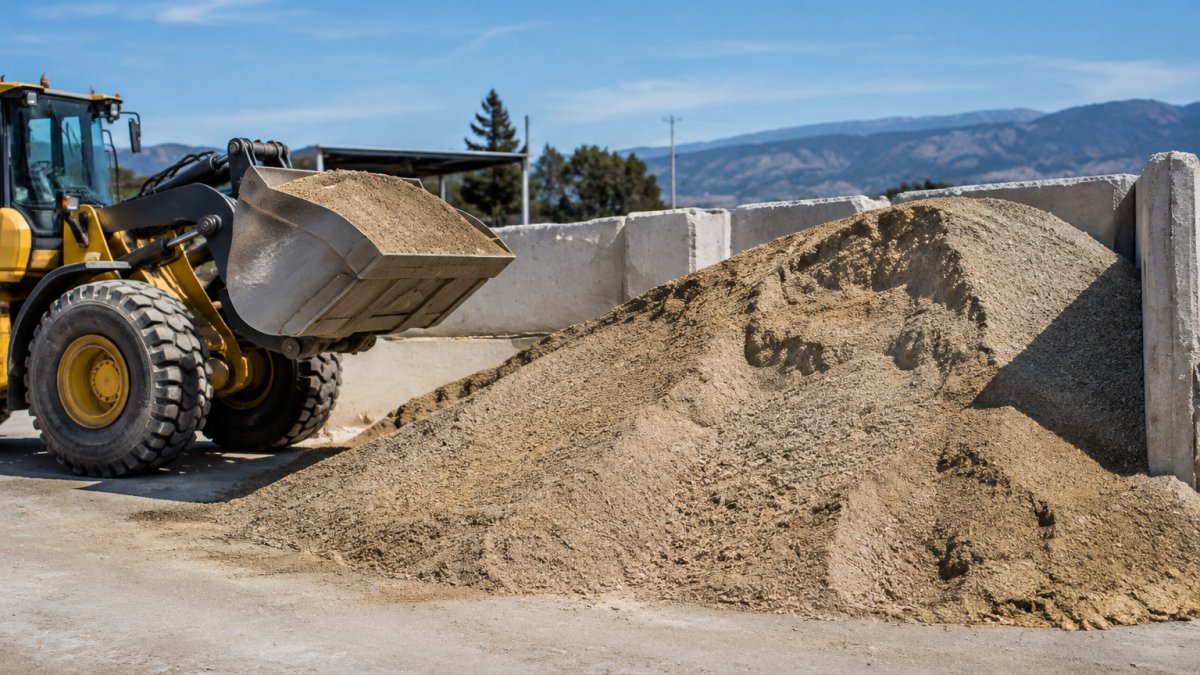
Construction sand storage means keeping bulk sand dry, clean, and separated on a job site so it stays usable for concrete, mortar, and bedding work. Pick high, well-drained ground, prepare a firm level hardstand, keep the pile covered with a weighted waterproof tarp, and rotate stock first-in, first-out.
Construction sand storage is the practice of keeping bulk sand dry, clean, and separated on a job site so it stays usable for concrete, mortar, and bedding work. Get it wrong and you don’t just lose material. You lose time, money, and the strength of the finished structure.
Here’s the part most crews learn the hard way: sand is not a “dump it and forget it” material. Wet sand gains weight, clumps, and throws off your mix ratios. Contaminated sand drags silt and debris into concrete. At FST Sand, we’ve supplied aggregates since 1964.
This guide walks you through storing construction sand on site step by step. You’ll learn where to place it, how to cover it, how to keep it dry, and how to handle the rules that apply.
Pick a storage spot on high, well-drained ground away from traffic and runoff. Then prepare the surface before the first load arrives.
A firm, level base is the foundation of good construction sand storage. Without it, your stockpile shifts, mixes with mud, and takes on water from below.
Follow these steps:
A hardstand of gravel or compacted stone works well. It stops the sand from mixing with soil and helps water run off. The Occupational Safety and Health Administration treats stable ground and material handling as core site safety concerns, and a level base supports both.
Keep the pile near your work area but clear of traffic lanes.
To prevent sand contamination on site, separate sand from soil, gravel, and debris, and keep it covered when not in use. Clean sand is the difference between strong concrete and a failed pour.
Contamination comes from a few common sources. Watch for these:
Segregation matters. Keep sand in its own area, well away from gravel, topsoil, and crushed stone. Never let a loader scoop from two piles and drop the mix back on one.
Avoid storing sand next to the washout area or fuel station, and set clear boundaries and label each stockpile.
Tarping sand piles for construction means covering the stockpile with a waterproof cover, weighted at the edges, to keep rain and moisture out. A proper cover is the single most effective way to protect sand quality.
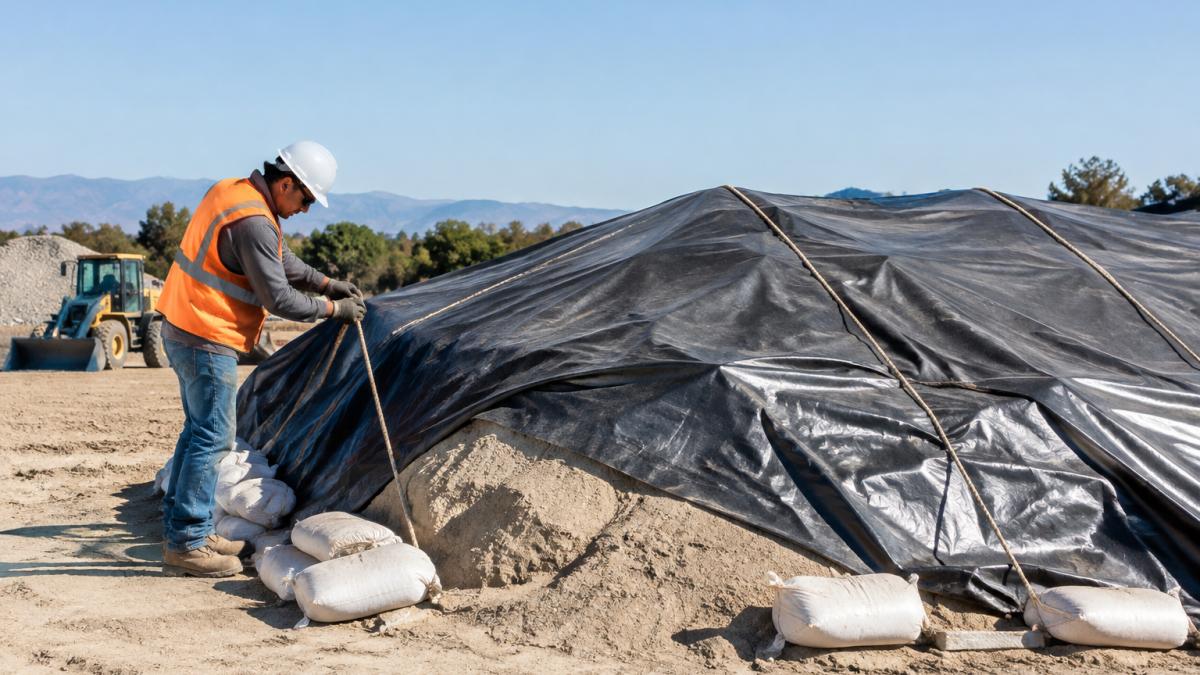
Securing these materials properly prevents erosion and contamination, which serves as a critical first step when you manage construction site waste.
Use these practices for a cover that holds:
Wind is the enemy of a loose tarp. A flapping cover wears through and lets water in. Tie it down tight and inspect it often.
Safe material storage on a job site focuses on stable piles and keeping materials from collapsing or blocking walkways.
Good practice for bulk sand includes a few concrete steps:
A practical inspection routine keeps you ahead of the rules:
Watch out: a pile that looks stable when dry can slump after heavy rain because saturated sand loses shear strength, so re-check slope and toe support after every significant storm.
Check the current OSHA standards for materials handling and storage for the exact language that applies to your site. Rules vary by task and location, so confirm before you build a stockpile against a structure.
Managing moisture means controlling water from above, below, and around the pile, then rotating stock so older sand gets used first. Moisture control and stock rotation together keep your sand consistent.
For drainage and moisture mitigation:
Then apply stock rotation. Use the First-In, First-Out rule: the oldest sand leaves first. This prevents a pile from sitting for months, clumping, and degrading.
A simple tracking method works well:
| Storage Task | Frequency | Why It Matters |
|---|---|---|
| Inspect tarp and ties | After every storm | Stops water damage |
| Check pile for debris | Weekly | Prevents contamination |
| Rotate oldest stock out | Each new delivery | Avoids degradation |
| Clear drainage paths | Monthly | Prevents pooling |
Long-term storage needs a permanent hardstand, a durable cover, and regular inspection. Short-term storage can be simpler, but the basics still apply. Climate decides how hard you work to keep sand dry.
For short-term storage, a compacted base and a weighted tarp are usually enough. For long-term storage, invest in a proper hardstand, better waterproof sheeting, and a written inspection schedule. Rotate stock even when the pile sits idle.
Climate changes the approach:
Water running off a sand pile can carry silt into storm drains and nearby ground, which can violate local site rules. Manage it with a level base, a defined drainage path, and a cover so runoff stays controlled and compliant with site rules. A simple silt fence or filter berm downslope of the pile catches fines before they reach a drain.
Watch for signs of degraded sand: clumping that won’t break up under light pressure, visible silt or clay streaks, discoloration, or debris mixed in. Any of these means the pile needs attention before it goes into a mix.
A simple tracking method works well:
| Storage Task | Frequency | Why It Matters |
|---|---|---|
| Inspect tarp and ties | After every storm | Stops water damage |
| Check pile for debris | Weekly | Prevents contamination |
| Rotate oldest stock out | Each new delivery | Avoids degradation |
| Clear drainage paths | Monthly | Prevents pooling |
Runoff is the angle most guides skip. Water running off a sand pile can carry silt into drains and nearby ground. Manage it with a level base, a drainage path, and a cover so runoff stays controlled and compliant with site rules.
Good storage only pays off if the sand going in is clean and consistent to begin with. That starts with a supplier you can rely on.
At FST Sand, we’ve served Southern California since 1964 and supply aggregates for projects of all sizes.
When you’re ready to source material, review the SE30 fill sand product details for grading and backfill needs. Then request a quote with your tonnage, or use our contact details to reach the yard directly.
Store construction sand on a raised, level surface such as a concrete pad or compacted gravel hardstand, and cover it with a waterproof tarpaulin. Keep different aggregate types in separate bays or stockpiles at least 10 feet apart to avoid mixing. Sweep the storage area regularly to remove debris, and avoid storing sand near vehicle traffic or runoff channels. These steps reduce silt, dirt, and organic matter from entering the pile, preserving the sand’s permeability and load-bearing qualities.
Storing sand directly on bare ground increases the risk of contamination from soil, moisture, and debris. Instead, prepare a level, well-drained base using compacted gravel or a concrete slab. This hardstand prevents the sand from mixing with sub-base materials and makes stockpile removal cleaner. If a hardstand is not feasible, use a heavy-duty geotextile fabric underneath the pile to create a barrier, but ensure the ground is graded to prevent water pooling.
General material storage requirements call for storing materials in a manner that prevents sliding, falling, or collapsing. Sand stockpiles should be kept on level ground, with the angle of repose not exceeding the material’s natural slope. Keep piles away from excavation edges and provide adequate drainage. While OSHA does not specify sand-specific rules, these general principles help maintain a safe site and prevent accidents.
Prevent erosion by covering sand piles with anchored tarpaulins, installing silt fences or berms around the storage area, and directing runoff to a sediment basin. Avoid placing stockpiles near storm drains or watercourses. For long-term storage, consider using windbreaks or temporary walls. Regularly inspect covers after storms and replace damaged tarps. These measures also help reduce environmental impact from runoff.
Storing construction sand correctly takes planning, but it protects your budget and your build quality. FST Sand supplies clean, consistent aggregates backed by decades of experience, competitive pricing, and reliable delivery. Get started with FST Sand and keep every stockpile ready to use.
Silt vs clay in sand decides drainage, compaction and stability. Compare particle size, plasticity and field tests to judge your aggregate before pouring.
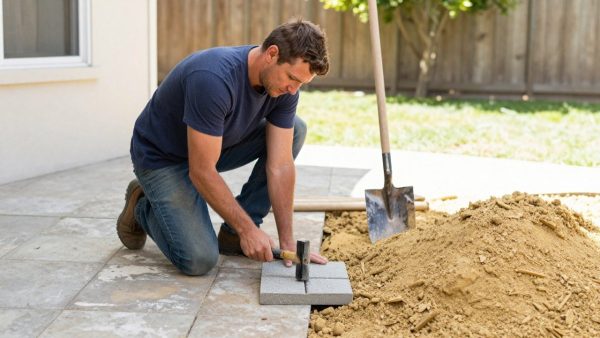
Learn how to fix sinking patio pavers step by step, from diagnosing the low spot to resetting stones and refilling joints with polymeric sand.
Calculate riprap material quantity with a step-by-step workflow from cubic yards to tons, then order the right amount with confidence.