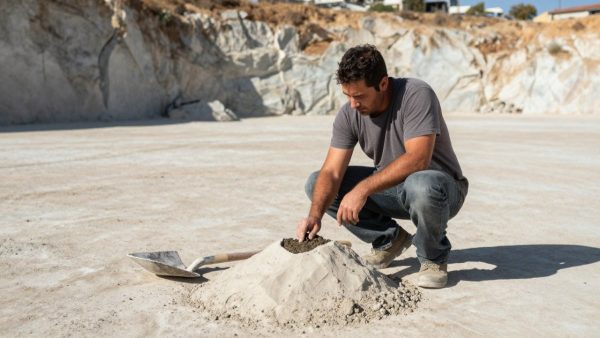
Silt vs Clay in Sand: Key Differences Explained
Silt vs clay in sand decides drainage, compaction and stability. Compare particle size, plasticity and field tests to judge your aggregate before pouring.
Last Updated: September 2, 2026
Construction materials form the backbone of every project, from residential renovations to large-scale infrastructure development. The right materials ensure structural integrity, durability, and cost efficiency. Whether you’re a contractor managing a commercial site, a homeowner tackling a DIY project, or a municipal procurement officer, knowing how to navigate construction materials means the difference between a project that performs and one that fails.
FST Sand has spent over six decades helping builders, developers, and homeowners select the right construction materials for their specific applications. Our experience serving the Southern California region has shown us that most project delays and budget overruns stem from poor material selection or inconsistent supply, not from design flaws.
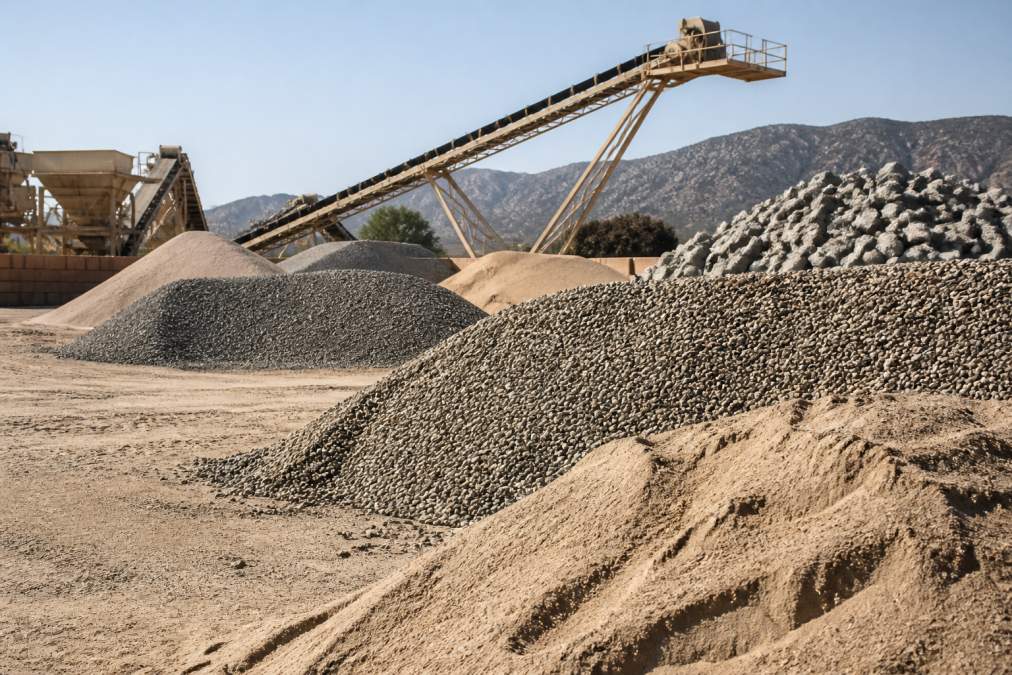
Aggregates form the structural foundation of concrete, asphalt, and landscaping projects. These materials include crushed stone, gravel, sand, and recycled aggregates that provide load-bearing capacity and drainage. The size, shape, and composition of aggregates directly affect how well your finished product performs. Concrete sand requires specific particle sizes to bind properly with cement, while crushed stone for base course applications needs consistent grading to support heavy loads without settling.
Base materials, also called aggregate base course, serve as the compacted foundation layer beneath roads, parking lots, and building pads. A poorly graded base material leads to settling, cracking, and premature failure of the surface layer. When evaluating construction materials for a foundation application, the base layer is where quality matters most because it’s the hardest to replace once a project is complete.
Drywall and insulation materials create the interior envelope of buildings, controlling temperature, sound, and moisture. Drywall sheets provide fire resistance and a finished surface, while insulation materials like fiberglass, mineral wool, and cellulose reduce energy consumption and improve comfort. Structural components like steel framing, lumber, and engineered joists carry the building’s weight. Steel framing offers non-combustible strength and precision, while lumber provides traditional construction flexibility. The choice depends on local building codes, project timeline, and cost constraints.
Masonry materials, bricks, blocks, stone, and mortar, create durable walls, chimneys, and decorative features. Hardscape products like pavers, flagstone, and landscape stone create outdoor surfaces for patios, walkways, and drainage features. Finishing products such as grout, sealers, and trim materials complete the visual appearance and protect underlying materials from moisture and wear. Quality in these categories comes down to consistency and durability. Sourcing from suppliers who maintain strict quality standards prevents costly rework and ensures your finished project lasts decades.
Bulk delivery logistics determine whether your project stays on schedule or grinds to a halt. Understanding delivery timelines, minimum order requirements, and supplier flexibility becomes critical when ordering tons of construction materials.
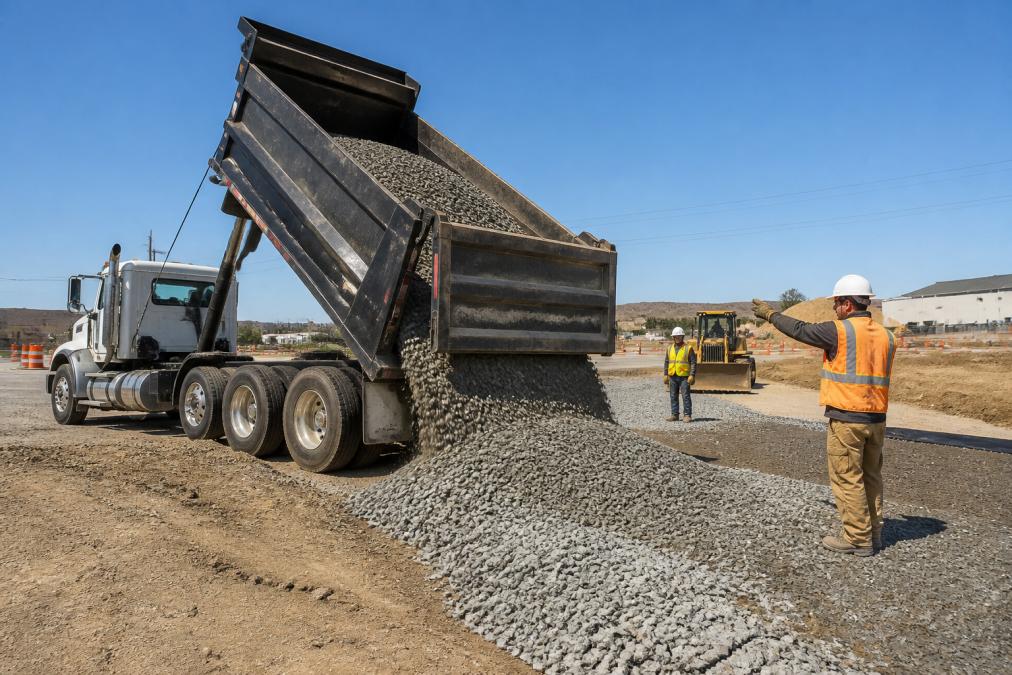
Most bulk aggregate suppliers operate on a standard delivery schedule, typically within 3-7 business days for regular orders (astm.org). Peak seasons (spring and summer) can stretch delivery windows, while winter weather may cause additional delays. Planning your material orders at least two weeks ahead gives suppliers time to schedule delivery without rushing, which often means better pricing and more reliable service.
Your site must have adequate space for a dump truck to unload safely, and the ground must support the truck’s weight. Narrow residential streets or sites with overhead power lines require special coordination. FST Sand works with customers to plan delivery logistics in advance, ensuring the truck can access your site and unload efficiently.
Most bulk aggregate suppliers maintain minimum order requirements, often 5 to 10 tons per delivery, to justify fuel and labor costs. However, many suppliers now offer flexible ordering options. Some allow you to combine multiple smaller orders into a single delivery, while others partner with local retailers to serve smaller customers. FST Sand recognizes that not every project is a 100-ton commercial job and works with residential and small commercial customers to find ordering solutions that fit their actual needs.
Getting the quantity right prevents both shortages that halt work and overages that waste money. Calculating gravel needed requires understanding your area dimensions, the depth you’re filling, and accounting for compaction and waste.
Start by measuring the length and width of the area in feet and multiply to get square footage. For irregular shapes, break the area into smaller rectangles, calculate each, and add the totals. Most gravel applications require 2 to 4 inches of material. A driveway typically needs 3-4 inches for proper drainage and stability (dot.ca.gov). Multiply your square footage by the depth in feet (convert inches to decimal: 3 inches = 0.25 feet) to get cubic feet. Divide cubic feet by 27 to convert to cubic yards, which is how bulk materials are typically sold.
Gravel compacts under weight and traffic, reducing its volume by 10-15% depending on material type (astm.org). Spillage during delivery and unloading, uneven spreading, and material caught in equipment add another 5-10% to actual consumption. A practical approach is to add 20% to your calculated volume as a safety margin. For example, if your project calculates to 10 cubic yards, order 12 cubic yards to account for compaction and waste. This prevents the frustration of running short mid-project and needing an emergency second delivery.
Environmental responsibility and regulatory compliance increasingly shape material selection. Sustainable construction materials reduce environmental impact while often delivering equal or superior performance compared to virgin materials.
Recycled aggregates come from demolition waste, reclaimed asphalt pavement (RAP), and industrial byproducts. These materials perform identically to virgin aggregates in most applications, concrete, base course, and fill, while diverting waste from landfills. Recycled concrete aggregate has the same compressive strength as new stone and often costs less. Eco-friendly options extend beyond recycled content to locally sourced materials that reduce transportation emissions and materials processed to minimize dust and water usage.
Many projects now require third-party certification of sustainable sourcing. Common certifications include LEED (Leadership in Energy and Environmental Design) compliance, which recognizes recycled content and local sourcing. Some municipalities require materials to meet specific environmental standards, such as California’s Green Building Standards Code. FST Sand maintains documentation for sustainable materials, allowing contractors and developers to confidently specify our products for projects with environmental requirements.
Not all suppliers serve all customer types equally. Large contractors have different needs, scale, reliability, account management, than homeowners doing weekend projects.
Commercial contractors need suppliers who can handle large volumes, maintain consistent quality, and deliver reliably on tight schedules. A contractor managing multiple active projects simultaneously requires suppliers who understand project logistics, offer account management, and can adjust orders quickly if site conditions change. Reliability becomes non-negotiable at commercial scale. A one-week delay on a 50-person crew costs thousands in labor. Contractors evaluate suppliers based on their track record with on-time delivery, material consistency, and problem-solving when issues arise.
Residential customers and DIY homeowners need different support. They typically order smaller quantities, may need guidance on material selection, and appreciate flexible ordering options. Many homeowners hesitate to work with large commercial suppliers, assuming they won’t accommodate smaller orders. However, suppliers like FST Sand recognize that today’s homeowner is tomorrow’s contractor or developer. We provide the same quality materials and professional service to residential customers as we do to commercial clients.
Material quality directly impacts project performance and longevity. Knowing how suppliers ensure quality through testing, grading standards, and process controls helps you evaluate whether their materials will actually perform as specified.
Reputable suppliers conduct third-party testing to verify material properties. For aggregates, this includes sieve analysis (particle size distribution), compressive strength testing, and soundness testing (resistance to freeze-thaw cycles). Certifications from organizations like ASTM International (American Society for Testing and Materials) establish standardized testing protocols and acceptance criteria. When a supplier provides test reports showing compliance with ASTM standards, you know the materials have been independently verified.
Material consistency matters more than most buyers realize. A batch of concrete sand with variable particle sizes produces concrete with weak spots and inconsistent strength. Crushed stone with inconsistent sizing won’t compact properly, leaving voids that settle under load. FST Sand’s commitment to precision processing ensures every load meets specification. This consistency prevents the rework and frustration that comes from material that doesn’t perform as expected.
A single supplier relationship rarely covers all material needs for large projects. Developing a supply chain with multiple suppliers you trust for different material categories reduces risk and ensures continuity if one supplier encounters capacity constraints.
Established suppliers have the infrastructure, inventory, and operational discipline to serve consistently. A supplier that’s been operating for decades has weathered economic cycles, supply chain disruptions, and regulatory changes. When evaluating suppliers, ask about their operational history, ownership stability, and how they handle disruptions. A family-owned business like FST Sand, operating for over 60 years, brings institutional knowledge and long-term commitment to the region.
Despite careful planning, projects sometimes hit unexpected challenges requiring urgent material orders. A reliable supplier can accommodate emergency requests without dramatically inflating costs. Building relationships with suppliers before you need emergency service means they’ll prioritize your request when timing is critical. Contingency planning also involves identifying backup suppliers for critical materials to prevent project delays.
Building with confidence means knowing your materials are sourced from suppliers who understand your needs and deliver consistently. FST Sand has earned the trust of contractors, developers, and homeowners across Southern California by providing precision-processed aggregates, reliable delivery, and the expertise to help you select exactly what your project requires. Whether you’re managing a municipal infrastructure project, developing residential or commercial properties, or completing a landscape renovation, our commitment to quality and service ensures your construction materials meet specification and arrive on schedule. Request a quote today and discover why Southern California builders have relied on FST Sand since 1964.
A: Concrete sand is fine-grained material used for mixing concrete and mortar, offering uniform particle size and low silt content. Crushed stone consists of larger, angular fragments used for base courses, drainage, and structural applications. Your construction materials choice depends on the project phase: concrete sand for finishing work and binding, crushed stone for foundations and load-bearing layers.
A: Measure your project area in square feet, then multiply by the desired depth in feet. Divide by 27 to convert to cubic yards. For example, a 100-square-foot area at 4 inches deep requires about 1.2 cubic yards. Always add 10-15% for compaction and settling. Contact your supplier with your measurements for accurate bulk aggregate delivery quotes.
A: Yes. Recycled aggregates, reclaimed stone, and sustainably sourced materials reduce environmental impact. Many suppliers now offer materials from certified sustainable sources and can provide documentation for municipal compliance. If your project requires green certification or eco-friendly documentation, confirm your supplier’s credentials and third-party testing before committing to bulk orders.
A: Look for established suppliers with a track record of on-time delivery, quality testing documentation, and experience serving your project type. Ask about third-party certifications, minimum order flexibility, and their ability to handle emergency orders. Verify they serve your area and can meet your timeline. Request references from similar projects to confirm consistency and reliability.
Silt vs clay in sand decides drainage, compaction and stability. Compare particle size, plasticity and field tests to judge your aggregate before pouring.
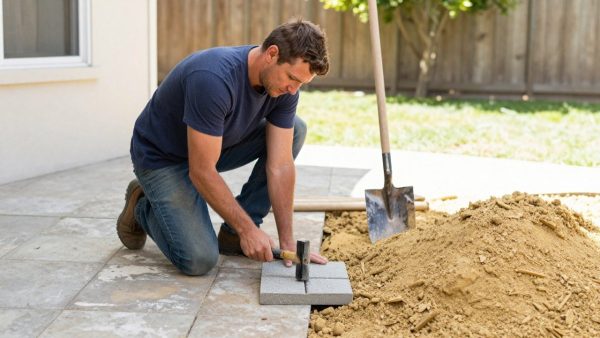
Learn how to fix sinking patio pavers step by step, from diagnosing the low spot to resetting stones and refilling joints with polymeric sand.
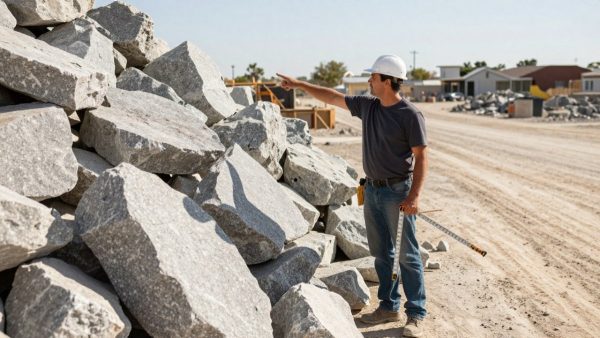
Calculate riprap material quantity with a step-by-step workflow from cubic yards to tons, then order the right amount with confidence.