
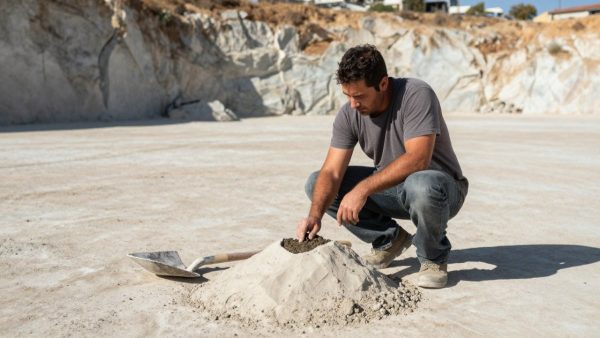
Silt vs Clay in Sand: Key Differences Explained
Silt vs clay in sand decides drainage, compaction and stability. Compare particle size, plasticity and field tests to judge your aggregate before pouring.
Last Updated: November 16, 2026
Quick Summary
Prevent sand contamination by controlling the load from the moment it is scooped: require carriers to sweep the truck bed, check for rust, oil and loose gravel, and cover the load with an intact, secured tarp. At the gate, inspect every load against written acceptance criteria and document its condition before signing.
Sand contamination is the presence of dirt, debris, chemicals, or living organisms in a sand load that changes how the material performs. Most of it begins before the truck ever reaches your gate. Clean loads can turn unusable because of a dirty bed, a torn tarp, or a rushed loading job.
The material itself is rarely the problem. The handling is.
Contamination creeps in at three points: the pit or stockpile, the truck bed, and the road. A load that leaves clean can arrive dirty. Dust blows in through gaps. Rain carries oil off a rusty bed. Leftover gravel from the last job mixes with fresh concrete sand.
For anyone learning how to prevent sand contamination during delivery, the lesson is simple. Control the load from the moment it is scooped, not when it lands on your site. Below, we break down the checks, the paperwork, and the response plan that keep a delivery clean.
Clean delivery depends on what happens at the plant. A driver who sweeps a bed and secures a tarp prevents most problems before they start. A driver who skips those steps creates work for everyone downstream.
If you are arranging haulage, confirm your supplier’s delivery process before the first load. FST Sand coordinates transport across our service areas, so you can check coverage before scheduling.
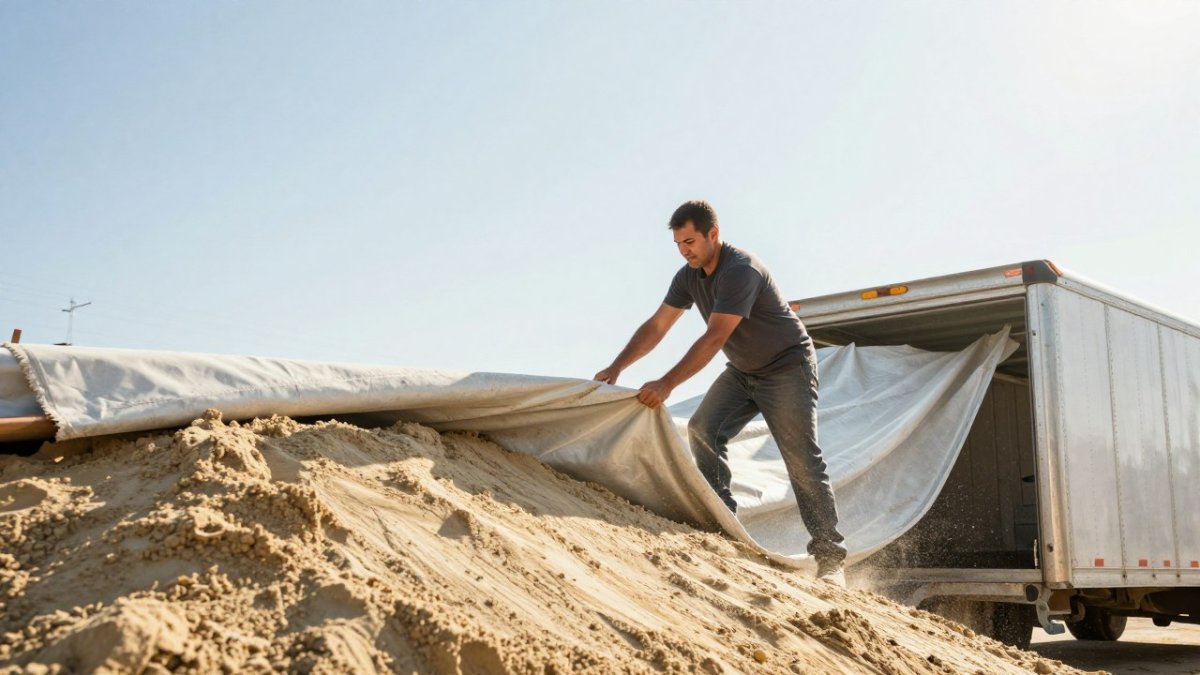
The truck bed is the first contamination risk. A bed that hauled road salt, demolition debris, or wet clay last week is not ready for play sand today.
Ask the carrier to:
A torn tarp lets dust and rain in. A rusty bed leaves streaks in the sand. Both are easy to spot at handoff and hard to fix afterward.
Cross-contamination happens when residue from one material ends up in the next load. It is one of the most overlooked risks in aggregate transport.
Simple controls make a difference:
A sand delivery inspection checklist is a short, repeatable set of checks a receiver performs before accepting a load.
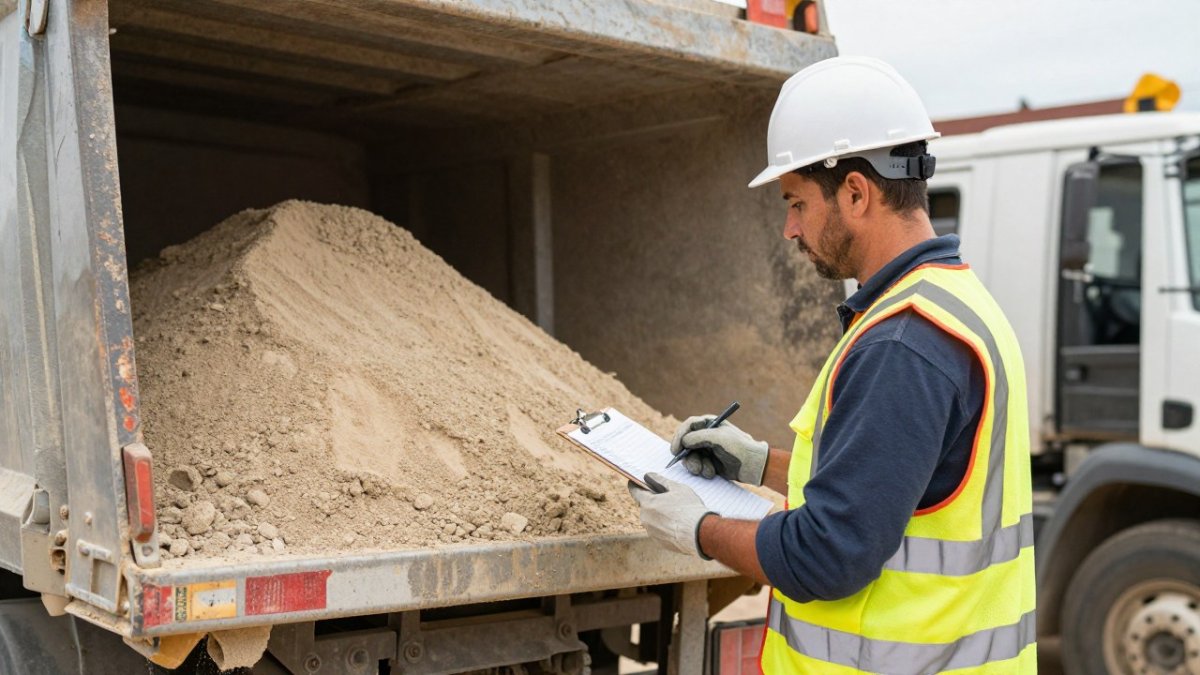
Run these steps every time:
If anything looks off, stop and document it. A five-minute check beats a rejected pour.
Sand delivery acceptance criteria are the written standards a load must meet before you sign for it, and the documentation is the record that proves the load’s condition at handoff. Put both in the purchase order so the supplier and carrier know the rules before the first truck rolls.
Define limits up front for:
Run the same steps every time, while the driver is still there and a fix is still possible:
Keep the delivery ticket, the photo record, the signed acceptance note, and any supplier test results or certification in one file per load. Ask your supplier for source testing and load-protection records on request. If a problem surfaces later, the file shows the load’s condition at handoff and the criteria it was measured against.
A clear decision rule prevents arguments at the gate:
Watch out: signing a delivery ticket without noting a discrepancy can be treated as acceptance of the load’s condition, which weakens your position if contamination is found after unloading, note problems on the ticket before you sign.
A clear decision rule at the gate keeps contaminated loads off your site.
| Decision | When to use it | What to do |
|---|---|---|
| Accept | Load meets every written criterion and documentation is complete | Sign for the load |
| Reject | Visible contamination, torn tarp with intrusion, damaged packaging or broken seals | Do not unload; document and notify supplier and carrier |
| Reject | Incompatible prior load without documented washout, or missing delivery ticket | Do not unload; document and notify supplier and carrier |
| Quarantine | Suspect but not clearly failed: unidentified odor, color mismatch, incomplete records | Park in designated area, restrict access, photograph, hold for review |
Knowing how to store construction sand properly keeps a clean load clean. Sand left in an open pile picks up dust, rain, and site debris within days.
Store it on a hard, clean surface, not bare dirt. Cover the pile with a heavy-duty tarp weighted at the edges. Keep it away from vehicle traffic and runoff paths.
For projects that need fill material alongside sand, clean fill dirt is worth comparing for storage-friendly site work.
Watch out: storing sand against a wall or under a leaking gutter invites moisture and microbial growth. Keep piles covered and elevated.
Contaminated sand creates real health risks. Bacteria and microbial contamination can grow in damp, uncovered piles.
Asbestos is a serious concern in older material or disturbed sites (the EPA). The Occupational Safety and Health Administration sets workplace exposure limits for respirable crystalline silica, and those rules apply on site.
Reduce exposure with basic controls:
For specialized uses like equestrian surfaces, clean material matters even more. Our guide to arena sand and footing explains what to look for.
Reject first, investigate second. If a load looks contaminated, do not unload it. Park the truck in a quarantine area, photograph everything, and notify the supplier and carrier.
Then:
A clear incident-response workflow protects your crew and your project schedule.
Clean sand starts with a supplier who controls the load from pit to gate. FST Sand has served Southern California since 1964 as a family-owned producer of concrete sand, gravel, and crushed stone.
When you need tested material, view our clean washed concrete sand and see what we deliver. Ready to talk numbers? Contact our team to ask about testing and delivery for your project.
Get started with FST Sand and build with dependable aggregate.
Clean delivery is not luck. It is a habit built on swept beds, sealed tarps, and a receiver who checks every load. Build that habit and your sand stays as clean at handoff as it was at the plant.
Control the whole chain, not just the pile. Require clean, dedicated truck beds and tarps that cover the load fully from loading to handoff. Never let a hauler backfill with the same equipment used for soil or debris. At the gate, inspect before unloading and photograph the load. Then store on a hard, drained surface under cover. Most sand contamination traced to delivery comes from dirty vehicles, uncovered loads, and mixed hauling, all of which are preventable with written carrier requirements.
Run a sand delivery inspection checklist before the driver leaves. Confirm the seal and tarp were intact, check for color shifts, clumps, roots, or debris, and compare the load against your approved sample. Verify the ticket shows source, load time, and quantity, and confirm test documentation matches your spec. If anything looks off, reject or quarantine the load rather than unloading it into your stockpile. Once it is blended in, you lose the ability to prove where the problem came from.
Store construction sand on a compacted, well-drained surface away from soil piles, vegetation, and runoff paths. Cover the pile with a heavy-duty tarp weighted at the edges, or keep it in a sealed container or bay. Lightly wetting the surface reduces dust and airborne particles without soaking the material. Keep the stockpile off the ground on a liner where practical, and never push spilled sand back into the pile, because it carries dirt and debris with it.
Stop unloading and quarantine the load. Photograph the truck, tarp, and material, note the ticket number, and restrict access so no one blends it into clean stock. Notify your supplier the same day and request replacement or testing. If asbestos or another hazardous substance is suspected, keep workers back, avoid dry sweeping or raking that raises dust, and follow your site risk assessment before anyone handles the material. Document everything, because acceptance records protect you if the dispute escalates.
Silt vs clay in sand decides drainage, compaction and stability. Compare particle size, plasticity and field tests to judge your aggregate before pouring.
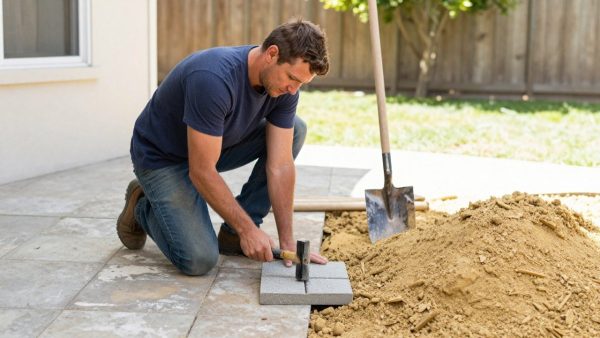
Learn how to fix sinking patio pavers step by step, from diagnosing the low spot to resetting stones and refilling joints with polymeric sand.
Calculate riprap material quantity with a step-by-step workflow from cubic yards to tons, then order the right amount with confidence.