
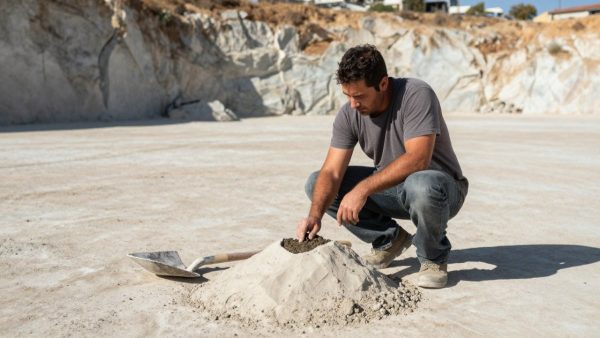
Silt vs Clay in Sand: Key Differences Explained
Silt vs clay in sand decides drainage, compaction and stability. Compare particle size, plasticity and field tests to judge your aggregate before pouring.
Last Updated: November 24, 2026
Quick Summary
The best material for foundation repair depends on the damage. Epoxy suits dry, rigid cracks that need structural bonding, polyurethane suits cracks with active water, and carbon fiber or steel suits walls bowing inward.
The best material for basement foundation repair depends on the type of damage. Epoxy suits rigid cracks that need structural bonding, polyurethane suits cracks with active water, and carbon fiber or steel suits walls that are bowing inward.
Many contractors start by asking one question: is the crack leaking, moving or only cosmetic? The answer narrows the choice quickly. A hairline crack that stays dry rarely needs structural reinforcement. A wide crack with water pressure behind it needs a different product entirely.
Epoxy and polyurethane are the two injection materials most crews compare first. Carbon fiber and steel come into play when the wall itself has lost strength. Each option has trade-offs in cost, curing time and suitability, and the sections below walk through them.
Basement foundation repairs fall into three broad groups: crack injection, wall reinforcement, and water control. Each group uses different materials, and mixing them up is a common source of failed repairs.
Knowing which group a problem belongs to saves time. Choosing a reinforcement product for a leak, for example, will not stop the water.
Start with a simple inspection. Look at the crack’s width, direction and whether it shows moisture or efflorescence, the white mineral deposit left by water.
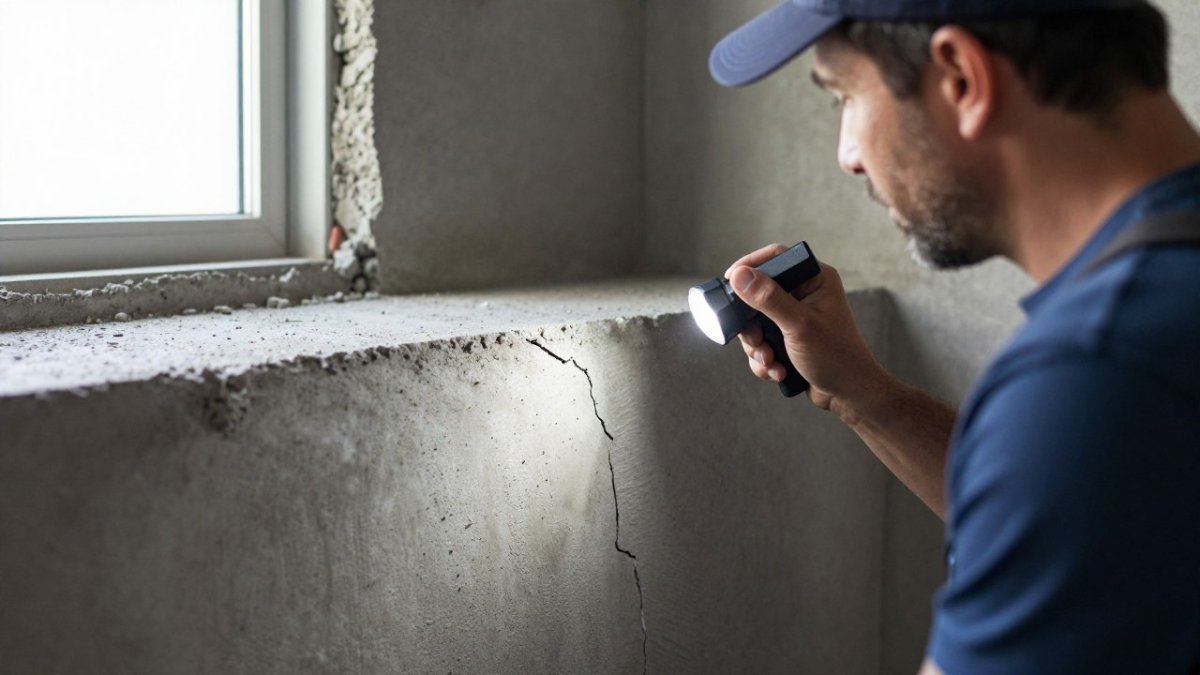
Hairline vertical cracks that stay dry are usually shrinkage cracks. They are common in newer concrete and rarely signal movement. Horizontal cracks, bowing walls and stair-step cracks in block walls deserve closer attention, because they can point to lateral pressure from soil.
Active leaks show water during or after rain. Watch the crack over several storms before deciding on a fix. A crack that stays dry through a wet season is a different problem from one that weeps every time it rains.
When a wall shows horizontal cracking or visible inward bowing, a licensed structural engineer should evaluate it before any material goes on.
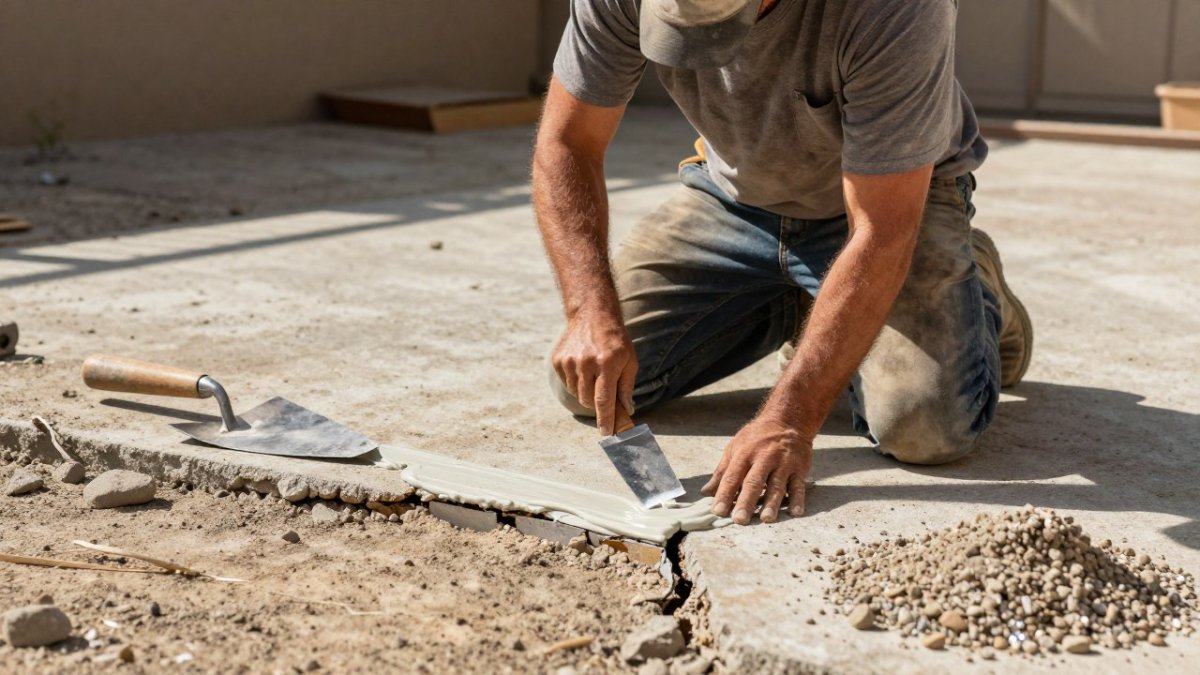
Epoxy and polyurethane are both injected into a crack through ports drilled along its length, but they solve different problems. Epoxy is a structural adhesive: it cures rigid and bonds the two faces of a crack back into one mass. Polyurethane is a water-control material: it reacts with moisture, foams and expands to fill the void, and stays flexible after cure.
Epoxy is specified for cracks in poured concrete walls that are dry and no longer moving.
Polyurethane is used where water is actively entering a crack, and it remains flexible after it cures.
| Material | Best for | Cured behavior | Handles active water | Typical cure |
|---|---|---|---|---|
| Epoxy | Dry, static cracks in poured concrete | Rigid, high-strength bond | No | Hours to a day |
| Polyurethane | Leaking or moving cracks, block walls | Flexible foam fill | Yes | Minutes to hours |
Installation details separate the two in practice. Epoxy requires a dry crack and a clean, sound substrate. Polyurethane can be injected while water is still seeping, but the surface seal matters.
Watch out: pumping epoxy into a crack that is still actively leaking usually fails, because water pushes the resin out before it cures.
Neither epoxy nor polyurethane corrects a wall that is bowing; that is a reinforcement problem covered below.
When a wall bows inward, crack injection will not restore its strength. Carbon fiber straps and steel wall braces are the two main reinforcement options. For a related rigid stabilization approach, see how riprap rocks protect shorelines.
Use this matrix as a starting point, then confirm with a professional before committing to a full repair.
| Damage type | Severity | Water present | Likely material |
|---|---|---|---|
| Hairline vertical crack | Cosmetic | No | Epoxy or sealant |
| Vertical crack | Moderate | Yes | Hydraulic cement, then polyurethane |
| Horizontal crack | Serious | Either | Engineer review, then carbon fiber or steel |
| Bowing wall | Serious | Either | Steel braces or carbon fiber straps |
| Stair-step block crack | Moderate | Yes | Hydraulic cement, then polyurethane |
Severity and water conditions change the answer more than the crack’s appearance does. Two cracks that look identical can need completely different fixes.
The line between a DIY crack repair and a job that needs a licensed professional is drawn by the type of damage, not by the size of the crack. Cosmetic shrinkage cracks in a poured wall are reasonable DIY work with an epoxy or polyurethane kit. Horizontal cracks, stair-step cracks in block, bowing walls, and any crack that has widened over time point to soil pressure or settlement and should be evaluated by a licensed structural engineer before material goes on.
Permits and code requirements vary by jurisdiction. Before starting a structural or reinforcement project, confirm the requirements with the local building department. Before starting a reinforcement project, call the local building department and ask two questions: does this scope require a permit, and does the work require a licensed contractor or engineer’s sealed drawings?
A structural engineer’s report is the clearest DIY-versus-pro signal. If a report recommends carbon fiber straps, steel braces, or underpinning, the work should be installed by a contractor who carries liability insurance and can show the manufacturer’s installation requirements. Many carbon fiber and steel systems are proprietary, and the manufacturer’s warranty often depends on certified installation.
For DIY work, the practical checklist is surface preparation, substrate moisture, and temperature. Epoxy and polyurethane products specify a minimum and maximum application temperature, usually printed on the cartridge, and most require a clean, sound surface free of efflorescence, paint, and loose material. Curing time depends on temperature, so a cool basement extends the set time and can affect the final bond.
Whether you tackle the work yourself or hire a crew, the foundation starts with sound materials. FST Sand supplies gravel, concrete sand and crushed stone for the drainage, backfill and slab work that supports a repaired basement. Request a quote from FST Sand to discuss material needs for your project.
No single material fits every crack. Epoxy injection suits dry, structural cracks where bonding strength matters most. Polyurethane injection is the usual choice when water is actively entering, because it expands and seals in wet conditions. Hydraulic cement works for quick, non-structural patches on active leaks. Carbon fiber or steel reinforcement is used when the wall itself is bowing or has lost strength, not just when it is cracked. Match the material to the crack type, moisture level, and whether the wall is moving before choosing a product.
Epoxy is better for dry, structural cracks because it bonds to the concrete and can restore some load-carrying capacity. Hydraulic cement is better for stopping active water flow quickly, since it sets in minutes even under pressure. Hydraulic cement is not a structural repair and will not hold a moving crack. Many repairs use hydraulic cement to stop the leak first and epoxy or polyurethane to seal and strengthen the crack behind it. Check the product’s cure time and moisture requirements before applying.
Yes, polyurethane injection is commonly used to stop active basement leaks. The foam expands on contact with water and fills the crack from the inside out, which blocks water flow. It is a waterproofing repair, so it does not restore structural strength. If the crack is widening or the wall is bowing, polyurethane alone is not enough and the structural cause needs evaluation.
Call a professional when a crack is wider than about 1/4 inch, is growing, runs horizontally across a block wall, or is paired with bowing, stair-step cracking, or doors and windows that stick. These signs point to structural movement that needs an engineer’s assessment and possibly reinforcement. A professional can also confirm whether local permits apply to structural work. Simple hairline cracks with no water or movement are often reasonable DIY projects with an epoxy kit.
Silt vs clay in sand decides drainage, compaction and stability. Compare particle size, plasticity and field tests to judge your aggregate before pouring.
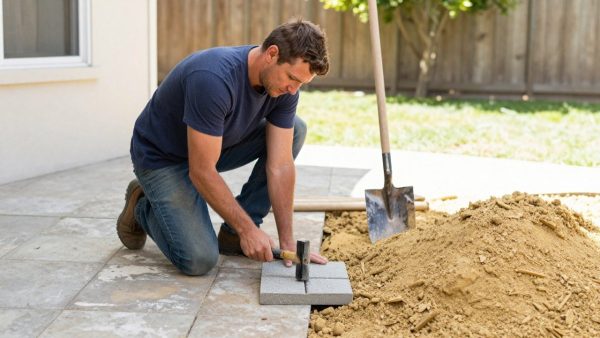
Learn how to fix sinking patio pavers step by step, from diagnosing the low spot to resetting stones and refilling joints with polymeric sand.
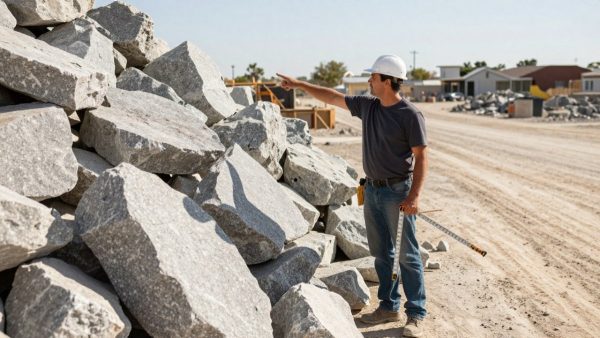
Calculate riprap material quantity with a step-by-step workflow from cubic yards to tons, then order the right amount with confidence.