
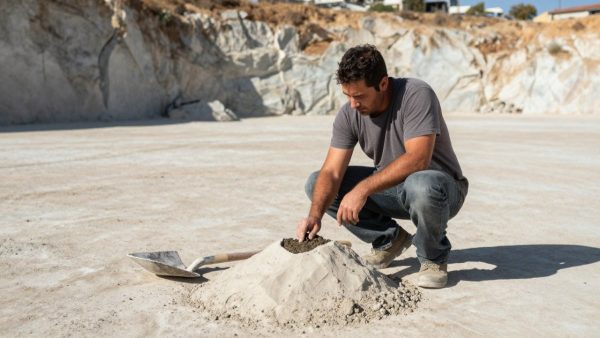
Silt vs Clay in Sand: Key Differences Explained
Silt vs clay in sand decides drainage, compaction and stability. Compare particle size, plasticity and field tests to judge your aggregate before pouring.
Last Updated: November 13, 2026
Quick Summary
Yes, winter preparation for asphalt pavement is worth it because water entering small cracks freezes, expands and widens them. Sealing cracks, clearing drains and inspecting before autumn rain and cold snaps costs far less than fixing potholes in spring.
Winter preparation for asphalt pavement is worth the effort, and the reason is water. Water gets into small cracks, freezes, expands and widens them, then thaws and lets more water in.
Pavement that gets a quick inspection in autumn usually holds up better than pavement that gets none. The gap often shows up in spring, when small cracks have become potholes and repairs cost more.
Winter in Southern California is mild compared with much of the country, but cold snaps, heavy rain and standing water still stress asphalt. Freezing nights can hit higher-elevation sites, and wet weather pushes water into any open crack.
Not every surface needs the same work. A new, sound lot needs a quick check. An older lot with visible wear needs a full plan. Sort your pavement into one of three conditions, then work down the matching list.
Good condition (few or no cracks, no standing water):
Fair condition (hairline cracks, minor surface wear):
Poor condition (wide cracks, potholes, raveling):
Work the list in order. Fix water entry points first, then surface damage, then cosmetic items.
Crack repair is the highest-value task on any winter list. Crack sealant keeps water out, and water is what turns a small crack into a big one. The National Asphalt Pavement Association offers guidance on pavement maintenance practices that many contractors follow National Asphalt Pavement Association pavement maintenance guidance.
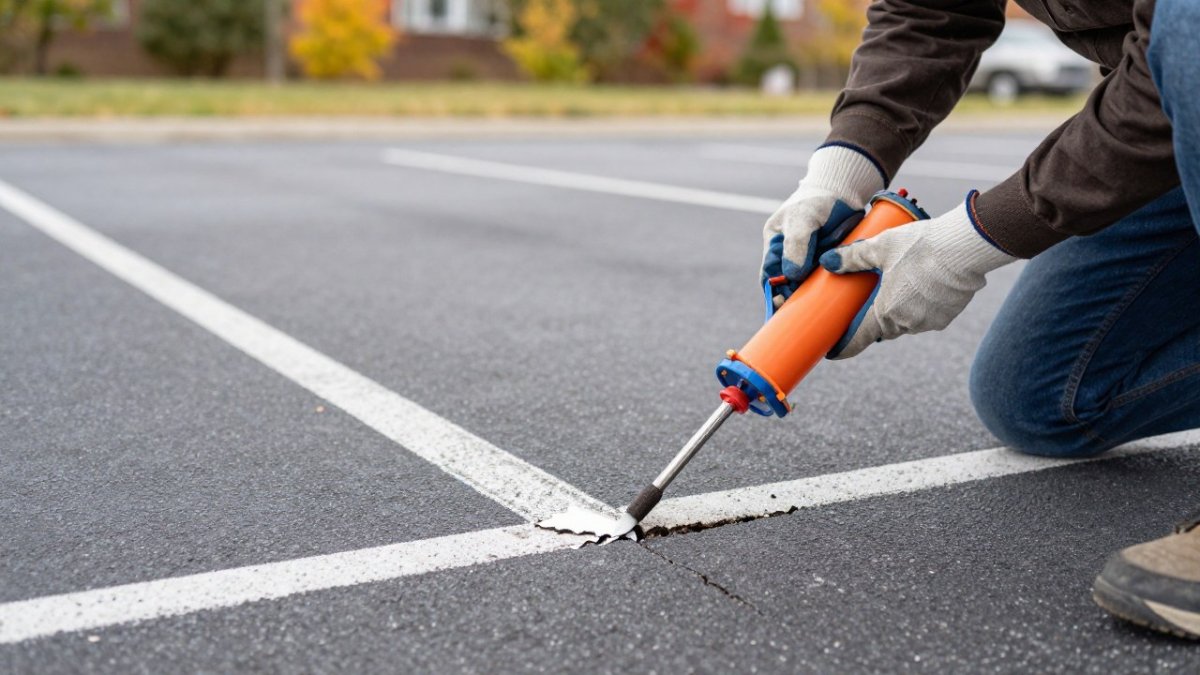
Here is a simple repair sequence:
Watch out: Do not fill cracks on a cold or damp day. Sealant may not bond, and it can pull loose within weeks.
Cold-weather repair has limits. Most crack sealants need air and surface temperatures above a minimum set by the product maker. Check the label before you start, and plan repairs for the warmest part of the day.
Asphalt paving and sealcoating depend on temperature. Hot-mix asphalt cools fast, and a thin layer can set before it compacts. Sealcoat needs warm enough air and pavement to dry and cure. Trying to pave or sealcoat in a cold snap usually produces a weak surface that fails early.
Use these general guidelines, then confirm the exact numbers with your material supplier:
Many contractors schedule paving and sealcoating in late spring and early fall for this reason.
Cold weather narrows the list of repairs that will hold. The table below separates work that is usually feasible in cool conditions from work that should wait for warmer temperatures.
| Repair | Feasible in cold weather? | What to expect |
|---|---|---|
| Hot-pour crack sealant | Sometimes, on dry days above the product’s minimum | Bond is weaker in cold or damp conditions; plan for the warmest part of the day |
| Cold-pour crack filler | Often, within the label’s temperature range | Slower cure; keep traffic off longer than in summer |
| Pothole patching (temporary, cold-mix) | Yes, as a stopgap | Cold-mix patches are temporary; expect to redo them in spring |
| Pothole patching (permanent, hot-mix) | Rarely | Hot-mix plants may be closed or mix may cool before compaction |
| Sealcoating | No, below the label’s minimum | Poor cure, weak film, early failure |
| Resurfacing or overlay | No | Needs warm, dry conditions and proper compaction |
| Drainage grading and regrading | Limited | Frozen ground prevents proper shaping; wait for thaw |
A common pattern is to use cold-mix patching and cold-pour filler as temporary measures through winter, then schedule permanent repairs for spring. That approach keeps water out during the freeze-thaw season without pretending a cold-weather patch is a permanent fix.
Watch out: Do not fill cracks on a cold or damp day. Sealant may not bond, and it can pull loose within weeks. If the forecast shows rain or a hard freeze within the cure window, wait.
Before you start any cold-weather repair, check three things: the product label’s minimum air and surface temperature, the forecast for the next 24 hours, and whether the surface is dry. If any of those conditions fails, the repair is likely to be wasted effort.
Drainage decides how much water sits on your pavement. Standing water freezes into ice, soaks into cracks, and speeds up wear. Good drainage moves water off the surface before it can do damage.
Start with a simple walk-through after rain:
Watch out: Ponding near a building foundation can seep indoors. Treat any standing water next to walls as urgent.
Clearing debris is a quick job with a big payoff. A single clogged drain can turn a light rain into a lot-wide puddle.
Deicers and snow removal can help or harm asphalt, depending on what you use and how much. Most rock salt and chloride-based products speed melting, but they can also dig into the surface and speed scaling if used heavily. Use the least amount that does the job, and sweep up leftovers after the storm.
Not all deicers behave the same way on a paved surface. Confirm application rates and temperature ratings on the product label before you buy.
| Deicer | Works down to (approx.) | Effect on asphalt | Effect on nearby concrete | Effect on vegetation and drainage |
|---|---|---|---|---|
| Sodium chloride (rock salt) | About 15°F | Effective and inexpensive; heavy use can contribute to surface scaling over repeated seasons | Can accelerate scaling and spalling of unsealed concrete | Chloride buildup can stress grass and shrubs at the edges; runoff carries salt to drains |
| Calcium chloride | About 0°F | Fast-acting; can be more aggressive on sealcoat and newly repaired areas | Higher risk to concrete than rock salt | Concentrated runoff is hard on plants and can raise chloride levels in receiving water |
| Magnesium chloride | About 5°F | Generally gentler on pavement than calcium chloride at equivalent rates | Lower risk than calcium chloride but not risk-free | Still a chloride product; keep off planting beds and out of storm drains |
| Calcium magnesium acetate (CMA) | About 5°F | Low corrosion and low damage to pavement and concrete | Considered among the gentlest options for concrete | Lower plant and water impact than chloride salts, but cost is higher |
| Potassium acetate | About -10°F | Low corrosion; often used where chloride damage is a concern | Generally safe for concrete | Lower environmental impact than chloride salts; higher cost |
| Sand or grit | Any temperature | Does not melt ice; provides traction only | No chemical effect | Can clog catch basins and add sediment to drainage |
A few practical rules follow from that table:
Snow removal needs care too. Plow blades that scrape too low can gouge the surface, and rubber or polyurethane edges are gentler on asphalt than steel. Set the blade height so it lifts slightly above the surface, and mark curbs, islands, and drain grates before the first storm so operators can see them under snow.
Watch out: Piling snow on the pavement edge and then letting it melt and refreeze can create an ice sheet that drains back across the lot. Plan snow-storage areas before the season starts.
For commercial lots, safety and liability matter as much as pavement life. An icy lot can lead to slip-and-fall claims, so clear walkways and entrances quickly and keep a record of your treatment times.
Pedestrian routes deserve priority over parking stalls.
If you are unsure of your legal duties, check your local rules or talk with a qualified attorney. Standards for snow and ice response vary by city and county, so confirm the rules that apply to your property.
A pre-winter inspection catches most problems early, and it costs far less than spring repairs. Walk your lot or driveway, mark the cracks and low spots, and rank them by urgency. Then decide which repairs you can handle and which need a professional.
Call a professional when you see:
To plan your next step, request a quote from FST Sand. Pricing depends on quantity, delivery date and job scope, so the team can give you an accurate figure for your site. Ask about the materials and repair options that fit your pavement’s condition before winter arrives.
Asphalt should generally not be placed when the air or surface temperature is below about 50°F, and many contractors wait until it is warmer and rising. Cold mix cools before it can be compacted, which leaves a rough surface that wears faster. Paving in cold weather also shortens the window for rolling. If you are planning repairs before winter, schedule them during the warmest part of the autumn, and ask your contractor what temperature threshold they follow for hot-mix placement and patching.
Sealcoating before winter can help, but timing matters. The coating needs warm, dry weather to cure, usually at least 24 to 48 hours without rain or freezing. If the pavement is already badly cracked or has failing base layers, sealcoat will not fix the underlying problem. Inspect the surface first, repair cracks, and then decide whether a sealcoat fits your schedule. Ask your provider how long the product needs before traffic and freezing weather can reach it.
Fill open cracks and repair potholes before water can enter and freeze. Water expands when it freezes, so a small crack in autumn can widen into a larger defect by spring. Prioritize cracks at the edges of the lot, potholes near drainage points, and any area where standing water collects. Cold-weather patching is possible but often temporary, so permanent repairs are better scheduled while temperatures are still mild.
Keep water out of the pavement. Seal cracks, clear debris from drains and gutters, and make sure the surface slopes so water runs off rather than pooling. Avoid heavy deicing use on newly sealed or patched areas, and use snowplow blades with rubber or polyurethane edges to reduce surface scraping. Routine inspection after each major freeze and thaw helps you catch new cracks early.
Silt vs clay in sand decides drainage, compaction and stability. Compare particle size, plasticity and field tests to judge your aggregate before pouring.
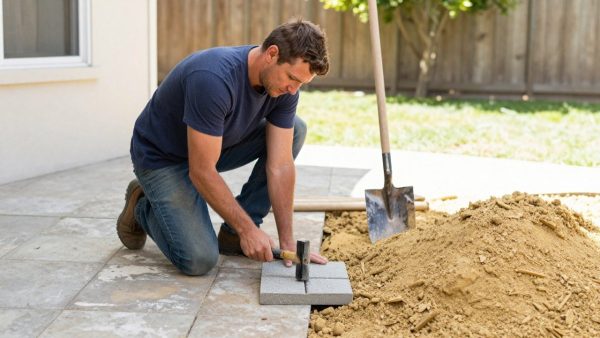
Learn how to fix sinking patio pavers step by step, from diagnosing the low spot to resetting stones and refilling joints with polymeric sand.
Calculate riprap material quantity with a step-by-step workflow from cubic yards to tons, then order the right amount with confidence.