
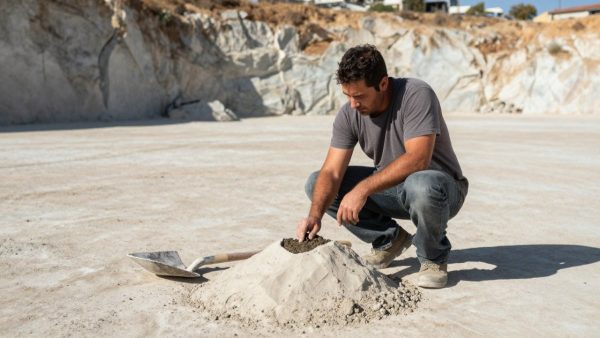
Silt vs Clay in Sand: Key Differences Explained
Silt vs clay in sand decides drainage, compaction and stability. Compare particle size, plasticity and field tests to judge your aggregate before pouring.
Last Updated: October 31, 2026
Quick Summary
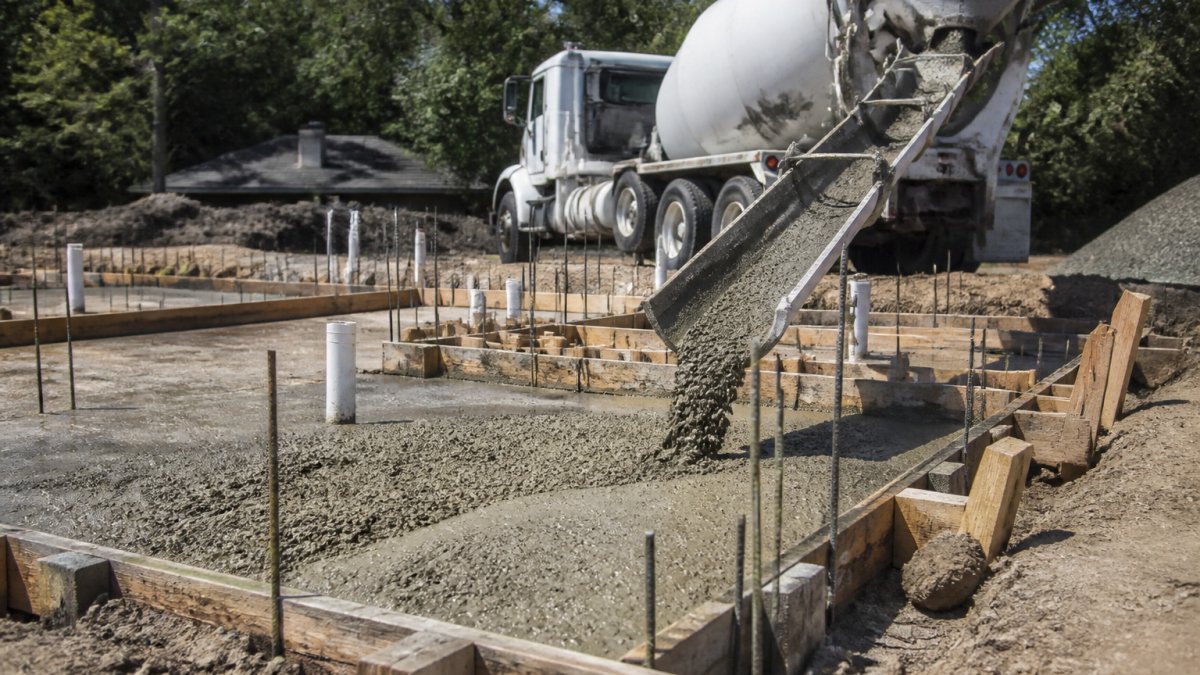
Foundation concrete mix cost per cubic yard is driven by the mix design and compressive strength, order size, additives, and delivery distance. The base price covers the mix, but short-load fees, waiting time, and pump charges are usually extra, so compare total delivered cost rather than the headline rate.
Foundation concrete mix cost per cubic yard is driven by four things: the mix design and its compressive strength, the order size, any additives, and how far the truck has to travel. Get those four right and the price per yard stops being a mystery. The same levers move the number every time.
A foundation mix is not a commodity. It’s a recipe, and every ingredient change shows up on the ticket. You can see the actual C-Mix product FST offers for foundations.
Compressive strength is the load a cured concrete sample can carry before it fails, measured in pounds per square inch (psi). A 2,500 psi mix for a shed slab and a 4,000 psi mix for a structural footing are different products with different cement contents.
More cement means more money. So does a lower water-to-cement ratio, which buys strength but demands tighter batching control.
Here’s what most guides miss: the psi number on the spec is a floor, not a target. Over-specifying “just to be safe” is one of the most common budget leaks we see on residential jobs.
Small orders carry a hidden penalty. Batching plants have setup costs that don’t shrink just because you ordered less.
Additives add up too:
Delivery distance matters because concrete has a working life. Most ready-mix has to be placed within roughly 90 minutes of batching before it starts to set. A plant 45 minutes away eats half that window.
A ready-mix concrete cost per yard quote covers more than concrete. The ticket bundles materials, batching, the truck, and the driver’s time. Read it line by line and you’ll spot where the real money sits.
The base price per yard reflects the mix design. Everything else is a charge stacked on top.
What’s normally included:
What’s usually extra:
The NRMCA’s guidance on ready mixed concrete is a solid primer on how batching and delivery are normally structured.
One insider note: the per-yard price is the number everyone argues about, but the fees are where quotes actually diverge. Two suppliers can quote the same base rate and land thousands apart on a big pour.
To calculate cubic yards of concrete, multiply length × width × thickness in feet, divide by 27, then add a waste allowance. That’s the whole formula. The mistakes happen in the measuring and the waste factor, not the math.
Work it in three steps:
So a 30 ft × 20 ft slab at 6 inches thick is 30 × 20 × 0.5 = 300 cubic feet, or about 11.1 cubic yards.
Then add waste. Ordering exactly the calculated volume is a rookie move, because forms bow, subgrade settles, and spillage happens.
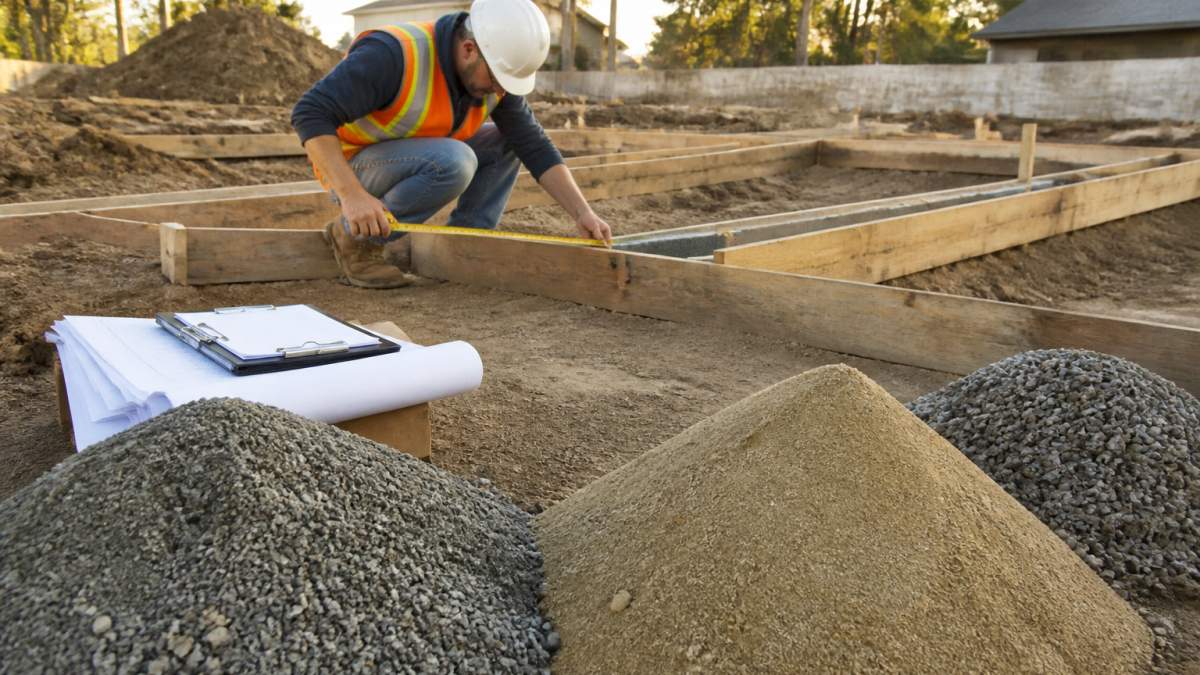
Don’t forget the layers under the slab. A foundation needs a compacted base, and that’s a separate volume calculation.
A concrete cost calculator is a volume tool, not a pricing tool. It converts your dimensions into cubic yards. It cannot know your local plant’s rates, your access conditions, or your fee exposure.
Use calculators for the geometry, and request a quote from FST Sand for pricing.
Where calculators go wrong:
Run the calculator, then request a quote with your volume and location to see the delivered cost.
A concrete short-load fee is a surcharge added when your order falls below the plant’s minimum efficient load, usually because the truck still has to batch, travel, and clean out for less revenue. It’s not a penalty. It’s the plant covering fixed costs on a small pour.
Watch for these line items:
Watch out: the most expensive mistake on a small foundation is ordering two short loads instead of one full load. The second short-load fee often costs more than the extra concrete would have.
Ignore the headline price per yard. Compare the delivered cost for your actual volume, fees included. A quote that looks cheap at the base rate can be the most expensive ticket on the table once short-load and waiting charges land.
Build a simple comparison sheet:
| Line Item | Quote A | Quote B | Quote C |
|---|---|---|---|
| Base price per yard | |||
| Yards quoted | |||
| Short-load fee | |||
| Delivery charge | |||
| Additives | |||
| Waiting time rate | |||
| Pump cost | |||
| Total delivered |
Then ask three questions of every supplier:
That last one separates real suppliers from order-takers. Consistency in the mix is what keeps your foundation from failing an inspection.
Request a quote from FST Sand to get pricing that depends on quantity, dates, and delivery. Readers in Riverside can visit the stone supplier in Riverside, CA page to verify the service area and get in touch. Readers in Anaheim can visit the stone supplier in Anaheim, CA page to confirm delivery coverage and request pricing.
FST Sand is a family-owned and managed company.
What you get from us:
For general background on concrete placement standards, the American Concrete Institute’s certification programs are the reference most inspectors work from.
There is no single number. The price of foundation concrete mix per cubic yard moves with the mix design (a 2,500 psi mix costs less than a 4,000 psi mix), the volume you order, delivery distance, and any additives such as accelerators or fibers. Small orders carry short-load fees that push the effective per-yard price up. FST Sand publishes current pricing on its website, so request a quote with your volume and location for an accurate figure.
Use the formula length x width x thickness, all in feet, divided by 27. A 30 ft by 40 ft slab at 6 inches thick works out to 30 x 40 x 0.5 = 600 cubic feet, or about 22.2 cubic yards. Add 5 to 10 percent for spillage, uneven subgrade, and over-excavation, which brings that example to roughly 23.5 to 24.5 yards. Always round up rather than down; running short mid-pour is far costlier than a small overage.
Usually not in full. Most ready-mix quotes separate the per-yard material price from delivery, which is often charged by the truck or by distance beyond a standard radius. Additional line items can include short-load fees for partial trucks, wait time after a set window, and fuel or environmental surcharges. Ask for an itemized quote so you can compare the all-in cost per yard rather than the headline material rate.
For anything larger than a small pad, ready-mix usually wins on total cost. Bagged mix runs higher per cubic yard once you account for bags, water, mixer rental, and labor hours, and site-mixed batches vary in strength. Ready-mix arrives batched to a specified psi with consistent slump, which matters for foundation work. For pours under about one cubic yard, bagged mix can still make sense; above that, compare a ready-mix quote from FST Sand against your bag and labor costs.
Foundation concrete pricing rewards the contractor who plans the pour before calling the plant. Get the volume right, understand the fees, and compare delivered totals instead of base rates. FST Sand supplies precision-processed aggregates and foundation-ready mixes backed by six decades of experience, competitive pricing, and reliable delivery for projects of every size. Get started with FST Sand and price your next foundation pour with confidence.
Silt vs clay in sand decides drainage, compaction and stability. Compare particle size, plasticity and field tests to judge your aggregate before pouring.
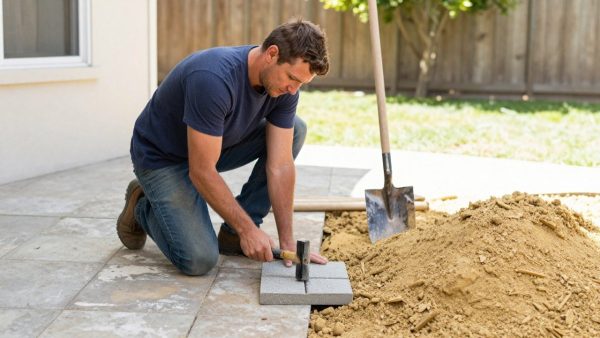
Learn how to fix sinking patio pavers step by step, from diagnosing the low spot to resetting stones and refilling joints with polymeric sand.
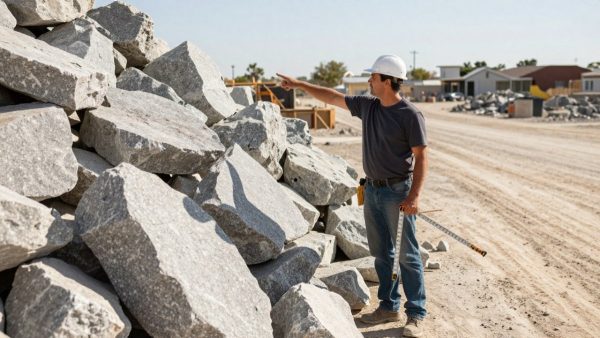
Calculate riprap material quantity with a step-by-step workflow from cubic yards to tons, then order the right amount with confidence.