What is RIP RAP (Armor Stone) and Why is Specification Critical?
1. What is RIP RAP (Armor Stone) and Why is Specification Critical?
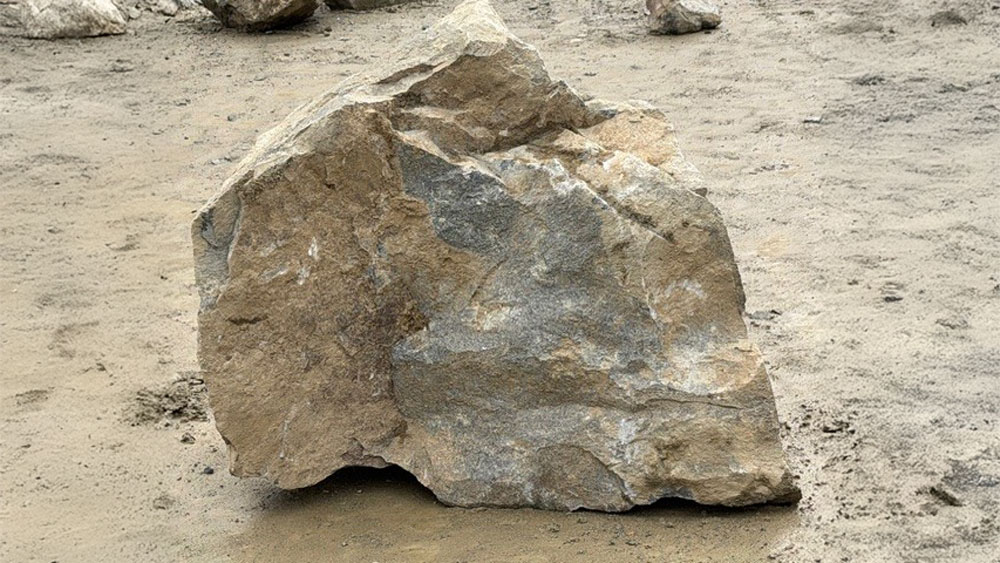
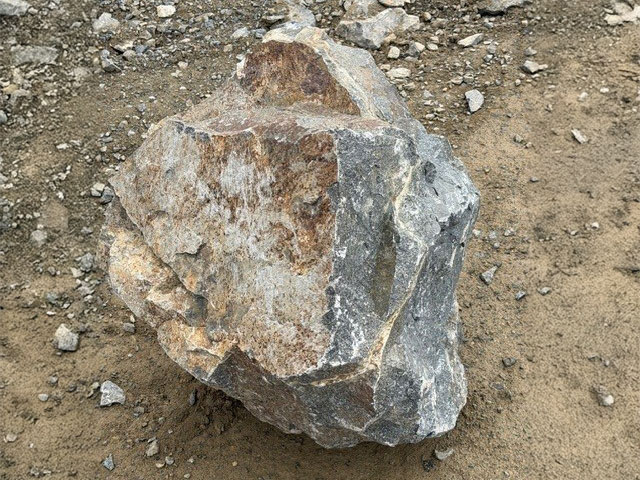
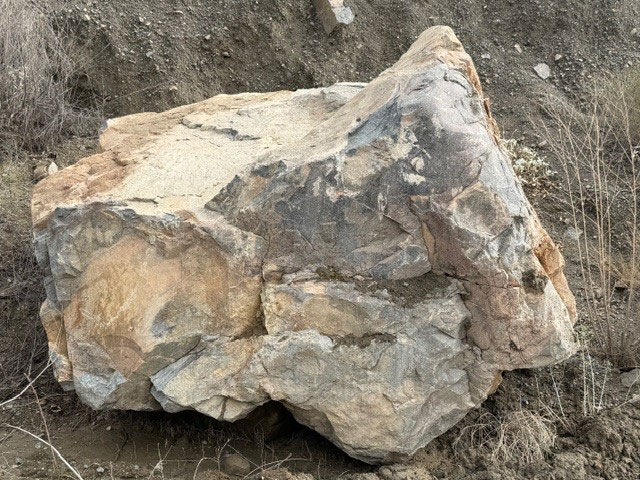
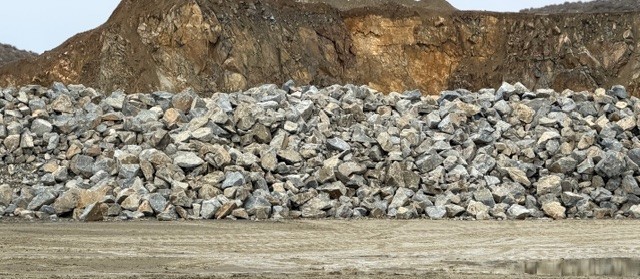
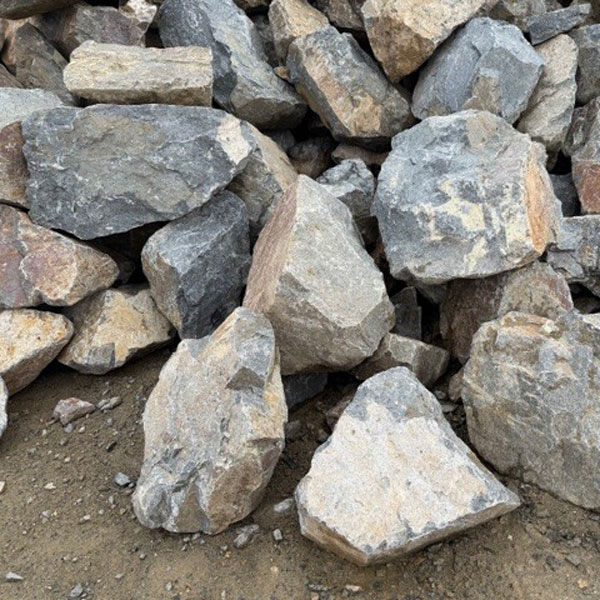
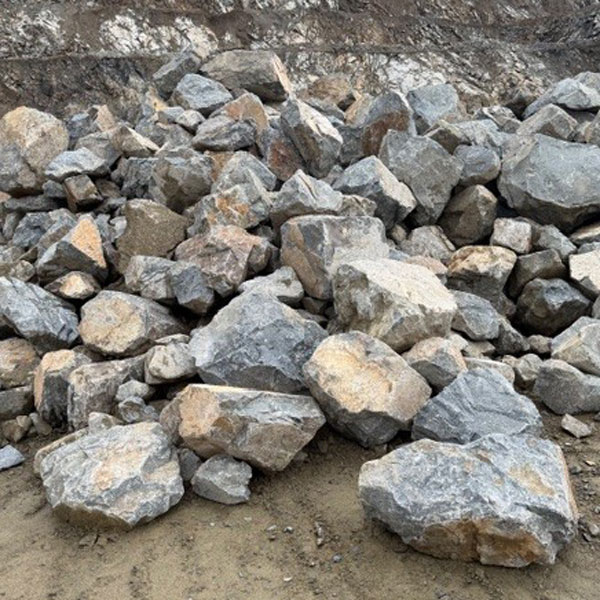
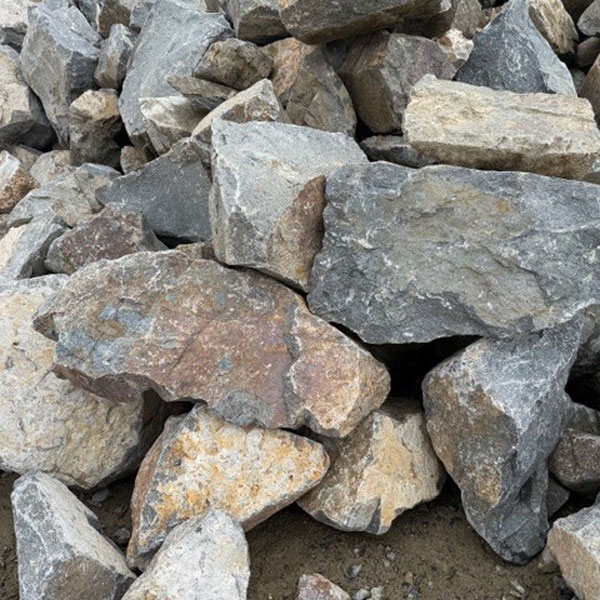
RIP RAP, often referred to as Armor Stone, is a foundational material in heavy civil engineering and infrastructure protection. It consists of layers of high-quality, dense, and durable rock strategically placed to shield soil and underlying structures from the erosive forces of water flow, wave action, and runoff—a critical requirement for infrastructure projects across California.
For large-scale, public works projects—like dam construction, highway embankment stabilization, and significant water control features—the selection of Rip Rap is not a matter of aesthetics; it is a critical engineering decision that affects the project’s longevity, public safety, and total life-cycle cost. For California DOT and municipal projects, the correct rip rap specification is non-negotiable.
The primary flaw in general-use articles is the failure to define rock size by its weight and median diameter (D50) which is the standard language of California infrastructure and civil engineering specifications.
2. Technical RIP RAP Specifications and Industry Standards
To ensure project integrity, engineers must specify Rip Rap based on rigorous standards, not generic types (A, B, C). The standard practice relies heavily on median stone size D50 and the weight distribution of the material—the same approach required for Caltrans and California DOT projects.
The Standard: AASHTO and State DOT Grading
While specific grading varies by state and local Cal Trans or Department of Transportation (DOT), the most recognized standard for large government projects is often based on the American Association of State Highway and Transportation Officials (AASHTO) or USACE guidelines. In California, these standards form the baseline for rip rap rock approval.
Grade Name
Common Use/Size (Weight)
Median Diameter (D50)
Technical Application
Light
50 – 150 lbs
9 – 12 in
Channel lining, minor drainage ditches
Medium
150 – 500 lbs
12 – 18 in
Stream bank stabilization, culvert ends
Heavy
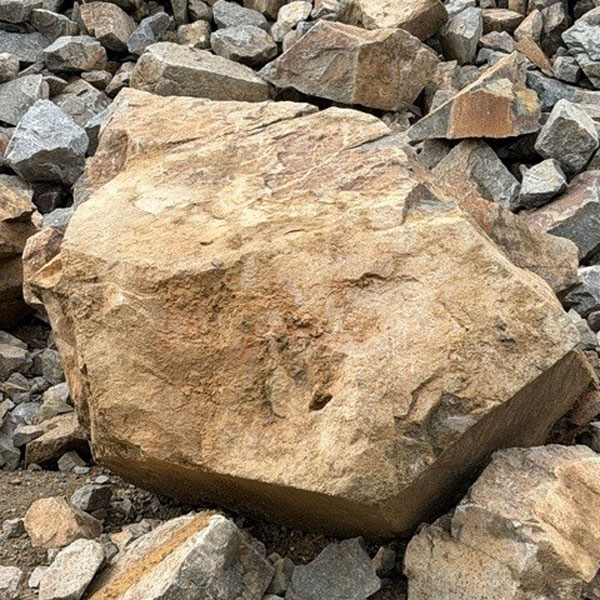
500 – 2,000 lbs
20 – 30 in
Dam protection, severe wave action, bridge piers
Jumbo/Special
2,000+ lbs
30+ in
Coastal armoring, major breakwaters
Technical Insight: The stability of Rip Rap is directly related to D50 and the velocity of the water. Engineers must perform a hydraulic analysis to select a stone size that resists dislodgment at the design flow rate, often using the Isbash formula or similar methods.
Material Quality and Durability
The rock material must meet stringent criteria to withstand weathering and abrasion. Key factors for high-performance California rip rap rock installations include:
Abrasion Resistance (ASTM C131): Critical for areas with high sediment load or fast currents.
Density/Specific Gravity: Higher-density stone provides better stability against hydraulic forces.
Soundness (ASTM C88): Resistance to freeze-thaw cycles and chemical disintegration (especially for limestone in aggressive environments).
Rock Type: Granite, basalts, and certain high-density limestones are often preferred over softer rock types due to superior durability—especially for long-term rip rap rock for sale used in California infrastructure.
3. High-Value Use Cases for Government & Infrastructure Projects
Rip Rap is an indispensable component in critical infrastructure design, offering robust protection for structures with high-stakes failure profiles throughout California’s diverse hydraulic environments.
A. Dam and Reservoir Protection (B2B Authority)
Rip Rap is essential for both the upstream (wave action) and downstream (scour) faces of earth-fill dams—commonly specified in California water infrastructure projects.
Upstream Face: Protection against wave run-up and drawdown erosion. Requires heavier, more uniform stone.
Spillway & Outlet: Crucial for dissipating energy at the base of spillways and controlling scour downstream. This is where Rip Rap Sizing Guide calculations are most stringent.
B. Highway and Bridge Embankment Stabilization
Erosion on highway embankments and around bridge piers can lead to catastrophic failure.
Bridge Scour Protection: Heavy-grade Rip Rap is placed around piers and abutments to prevent the removal of foundation material during floods.
Embankment Runoff Control: Lighter grades are used in channel linings along the roadway to safely direct concentrated water runoff.
C. Stream Bank and Coastal Restoration
For river projects and stream bank stabilization design, Rip Rap provides a flexible, enduring alternative to hard concrete structures.
Toe Protection: Heavy stone placed at the base (toe) of the bank is vital to prevent undercutting, which causes the entire bank to collapse.
Filter Layer: A fine-grained gravel or geotextile fabric must be used beneath the Rip Rap to prevent the underlying soil from washing out through the voids.
4. Armor Stone Installation Best Practices: Beyond Simply Dumping Stone
A poorly installed layer of Rip Rap is a guaranteed failure point. Armor Stone Installation Best Practices in California require a precise, engineered approach:
Preparation (Excavation & Grading): The bank or slope must be graded to the specified design angle. Loose soil must be removed and the area compacted to a stable foundation.
Geotextile/Filter Layer Placement: This is the most crucial step often overlooked in small projects. A non-woven, heavy-duty geotextile fabric or a layer of well-graded granular filter material must be placed directly on the prepared sub-grade. This prevents “piping” (soil washout) without hindering drainage.
Stone Placement: Stone must be placed from the bottom up and keyed into the toe of the slope. It must be placed to achieve a uniform thickness and an interlocking matrix. Dumping the stone from a height is strictly discouraged, as it leads to segregation of sizes and poor interlocking.
Inspection and Compaction: The finished surface should have no large voids and be “chinked” or tamped to maximize the interlocking of pieces.
Common Pitfall: Using unwashed, dirty rock. Clay fines and soil in the Rip Rap will compromise drainage—a frequent rejection issue on California DOT inspections.
5. The Long-Term Value Proposition of Quality Rip Rap
For government and large-scale commercial projects, specifying high-quality, correctly-sized RIP Rap Specifications delivers unmatched long-term value—particularly for California infrastructure projects with long service-life requirements:
Reduced Life-Cycle Costs: While the initial cost may be higher than soil or certain manufactured options, the service life of high-quality armor stone often exceeds 50 years with minimal maintenance.
Superior Hydraulic Performance: Properly sized and installed Rip Rap adapts to changes in flow better than rigid structures, providing flexibility in dynamic water environments.
Environmental Benefits: Armor Stone provides natural habitat for aquatic species and is a far less chemically intensive solution than poured concrete or grouted alternatives.
Next Step: Download Our Project Specification Tool
Are you preparing bid documents or finalizing a project design? Skip the generic charts. FST Sand & Gravel supplies regionally sourced, certified rip rap rock for sale across California, backed by testing and compliance documentation. Call one of our talented team members today and let’s get started!
In the high-stakes world of transportation infrastructure, the public eye is almost exclusively focused on the surface. However, for Civil Engineers (PE), CalTrans officials, and pavement design consultants, the reality is far more complex. The structural integrity of Southern California’s logistical arteries—from residential streets to massive freight corridors—is not determined by the wearing course. It&hellip
Building a Flawless Patio from the Ground Up The Unsung Hero of Your Patio: Why the Right Sand is Your Foundation for Success Many homeowners invest significant time and effort into creating a beautiful paver patio, only to see it fail within a few years. When pavers sink, become uneven, or are overrun with weeds,&hellip
Why Clean Fill Dirt from FST Sand & Gravel is Essential for Southern California Projects Every great project, whether it’s a sprawling new patio, a perfectly level lawn, or the very foundation of a building, starts from the ground up. But beneath the surface of these impressive final products lies a crucial, often overlooked hero:&hellip