The Invisible Spine: Why Pavement Longevity Begins with the Base
In the high-stakes world of transportation infrastructure, the public eye is almost exclusively focused on the surface. However, for Civil Engineers (PE), CalTrans officials, and pavement design consultants, the reality is far more complex. The structural integrity of Southern California’s logistical arteries—from residential streets to massive freight corridors—is not determined by the wearing course. It is determined by what lies beneath.
This article examines the geotechnical mechanics of road failure and why FST Sand & Gravel, a leading sand and gravel supplier in Southern California, has become the definitive road base supplier for engineers who prioritize pavement lifecycle extension over short-term savings.
The Engineering Argument: Beyond the Blacktop
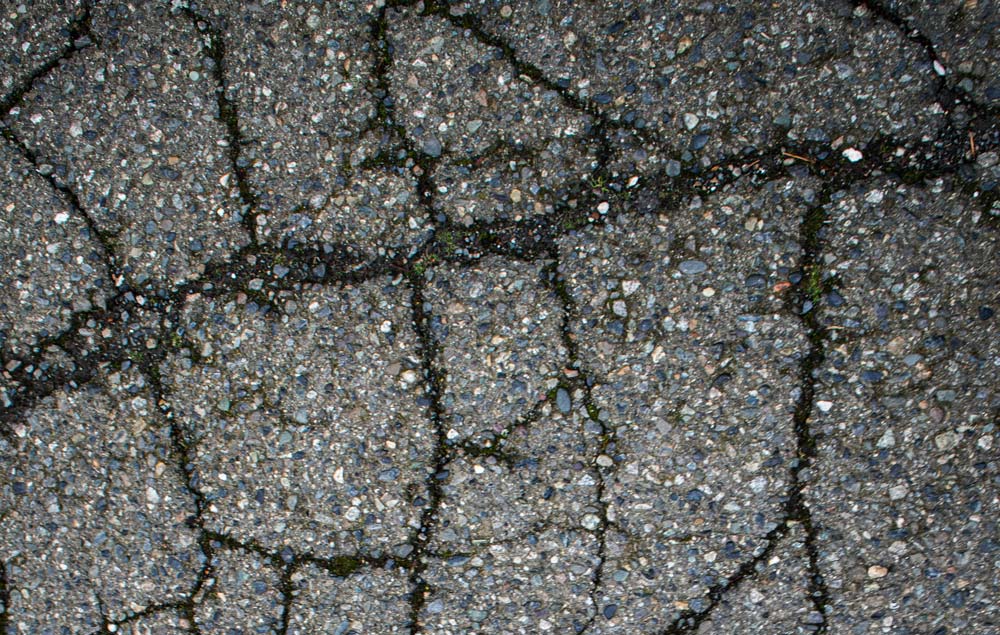
Pavement design relies on a fundamental principle: load distribution. When a heavy axle load hits the surface, that stress must be dissipated before it reaches the native subgrade. If the subgrade experiences excessive vertical compressive strain, the road fails from the bottom up, manifesting as alligator cracking, rutting, and structural collapse—a common issue in high-traffic California corridors.
The primary defense is the base course. Its efficacy is often measured by its R-Value (Resistance Value), indicating the material’s ability to resist lateral deformation. This makes base aggregate selection critical when sourcing bulk gravel or bulk rock for California road projects.
The Science of Aggregate Interlock
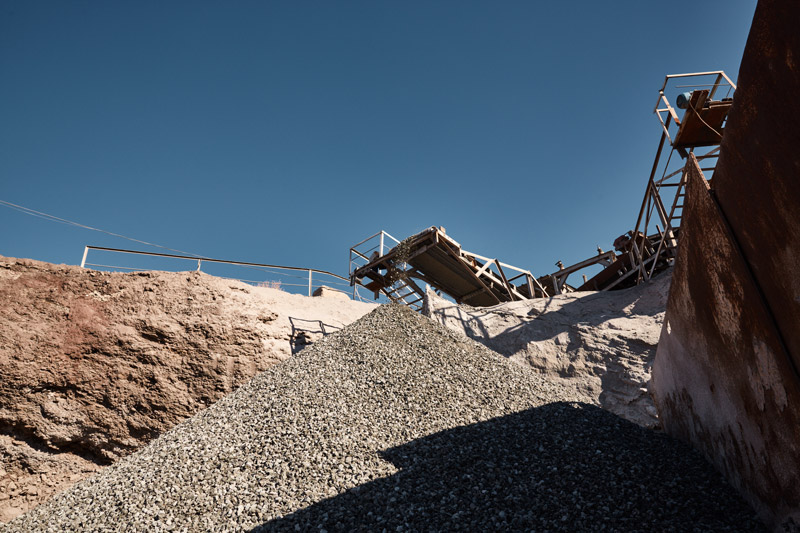
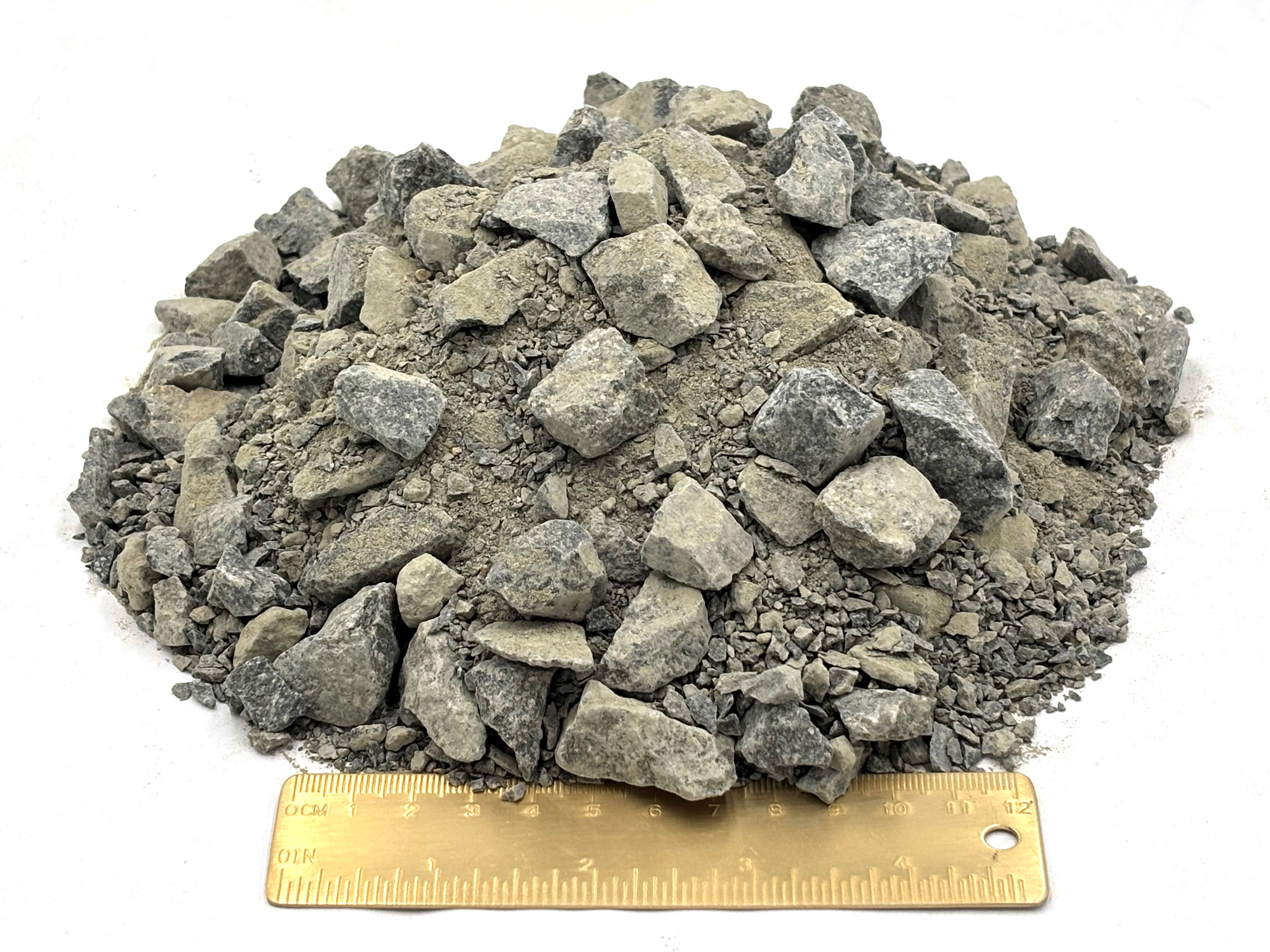
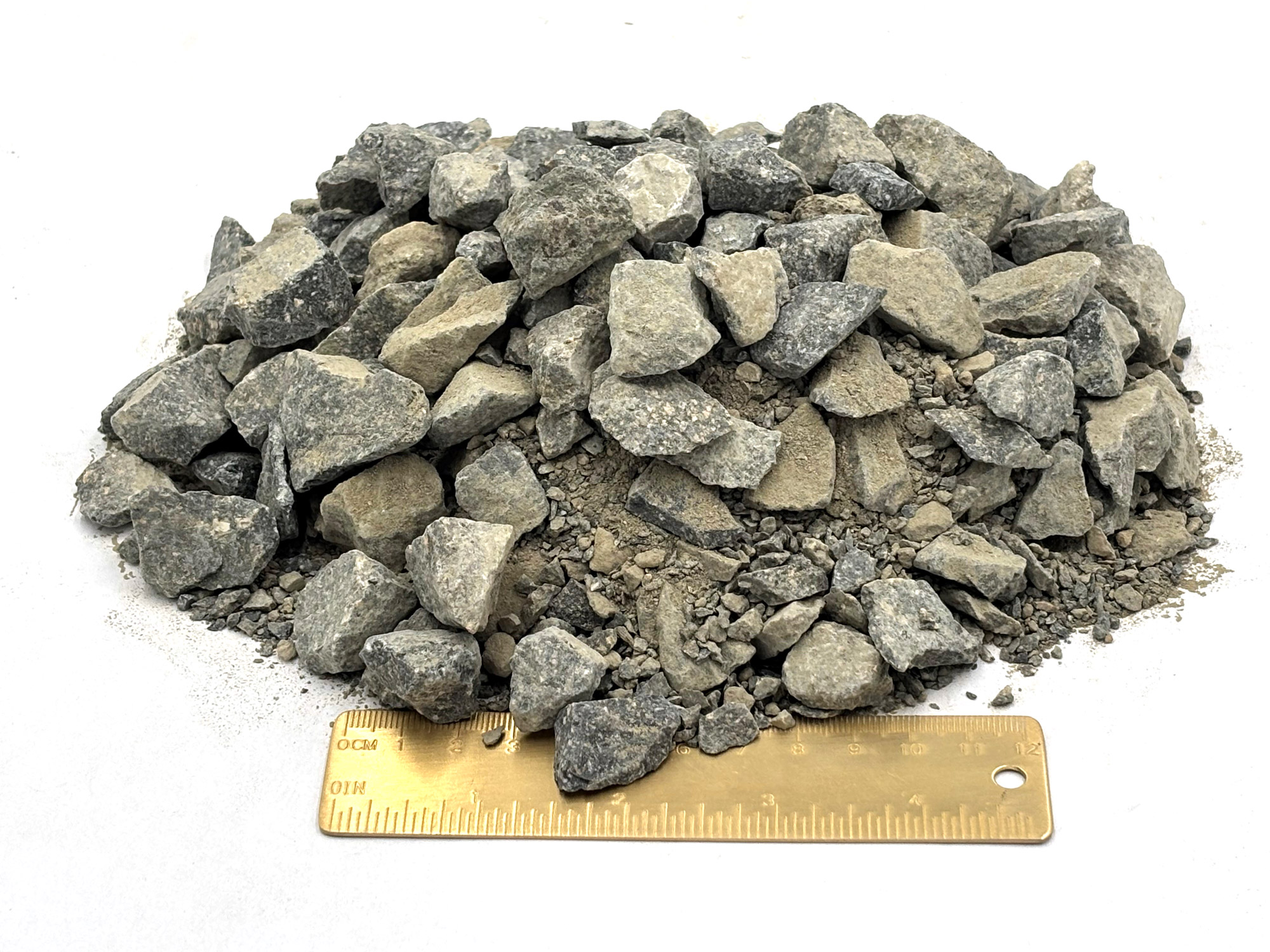
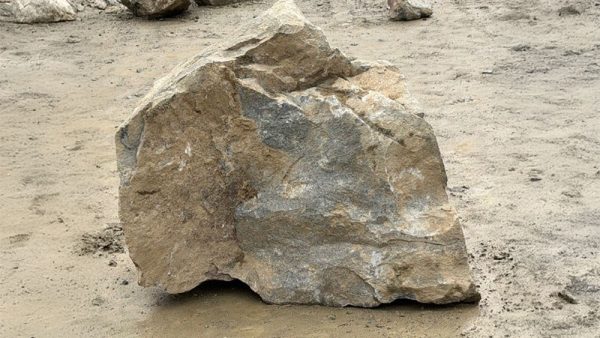
High R-Values require specific geology. Round, alluvial aggregates shift under load like marbles. In contrast, FST Sand & Gravel, a trusted rock supplier in California, produces crushed, angular aggregates that lock together. This aggregate interlock increases the internal friction angle, ensuring the base creates a rigid “anvil” against which asphalt can be compacted. Without this high modulus of elasticity in the base, the asphalt layer is subjected to excessive tensile strain, leading to premature fatigue failure—especially under California freight and commuter traffic loads.
Class II Base vs. CMB: Selecting the Right Spec
For the specifying engineer, the choice of base material is dictated by the “Greenbook” or CalTrans Section 26. FST Sand & Gravel supplies CalTrans-compliant sand and gravel materials throughout Southern California, providing precise aggregate profiles required to meet these standards.
Class II Base: The Gold Standard
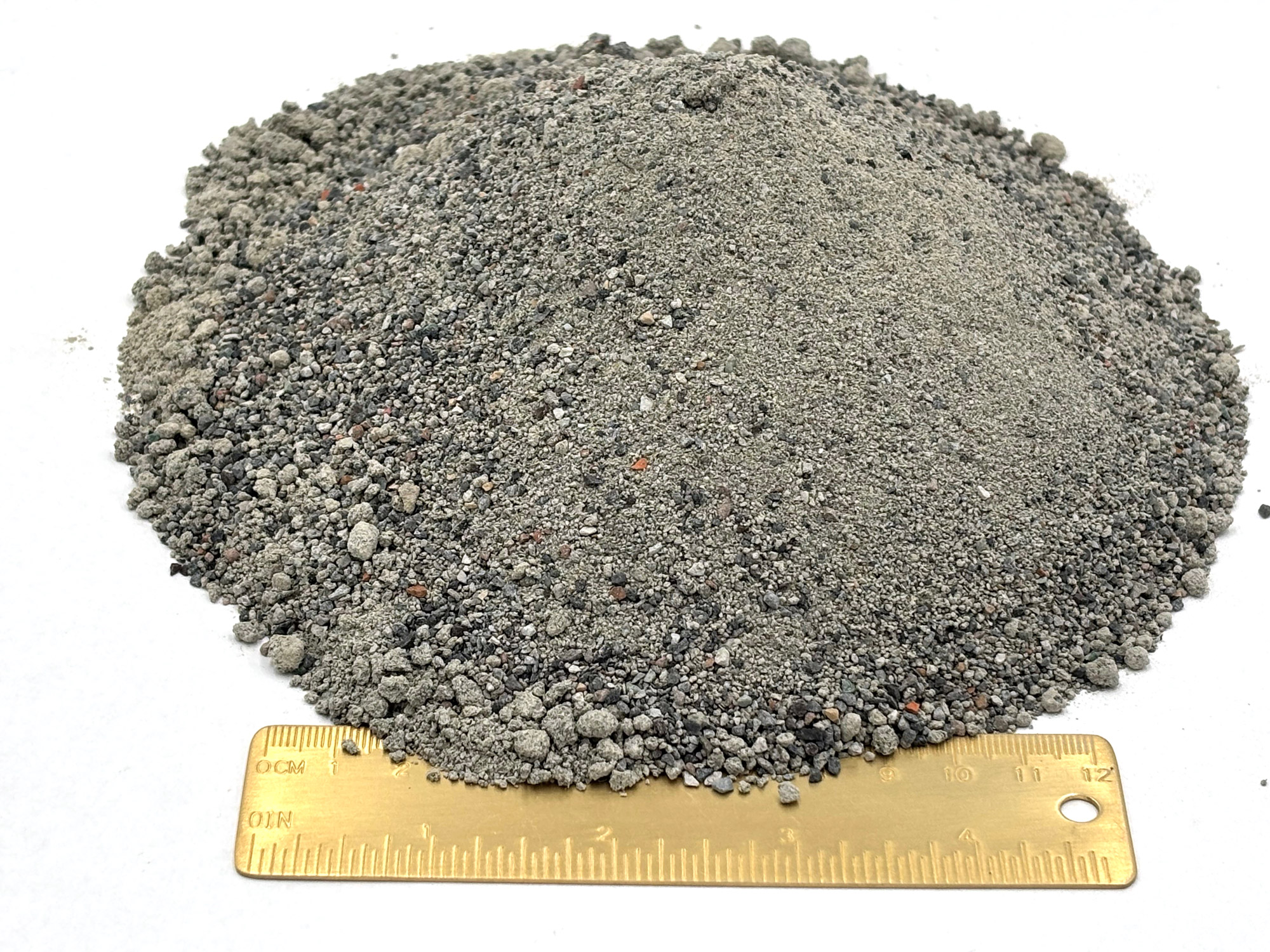
For highways and heavy-duty industrial pavement, Class II Base is the industry standard. It requires a precise gradation curve that allows for maximum density upon compaction.
Support: It creates an unyielding foundation for paving equipment.
Hydro-Defense: When properly compacted, FST’s Class II Base becomes nearly impermeable, preventing surface water from softening the subgrade—a primary cause of pumping.
Crushed Miscellaneous Base (CMB)
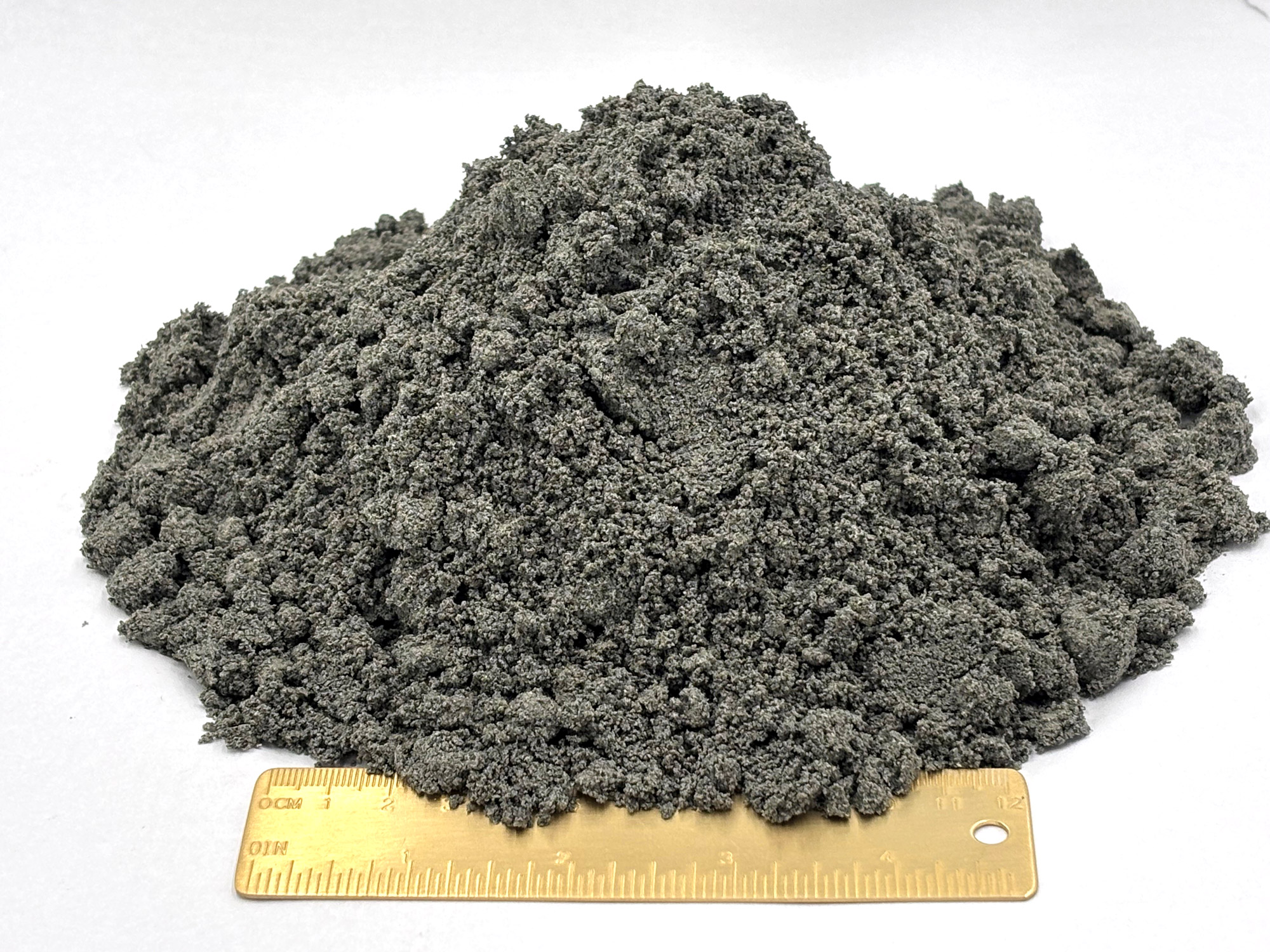
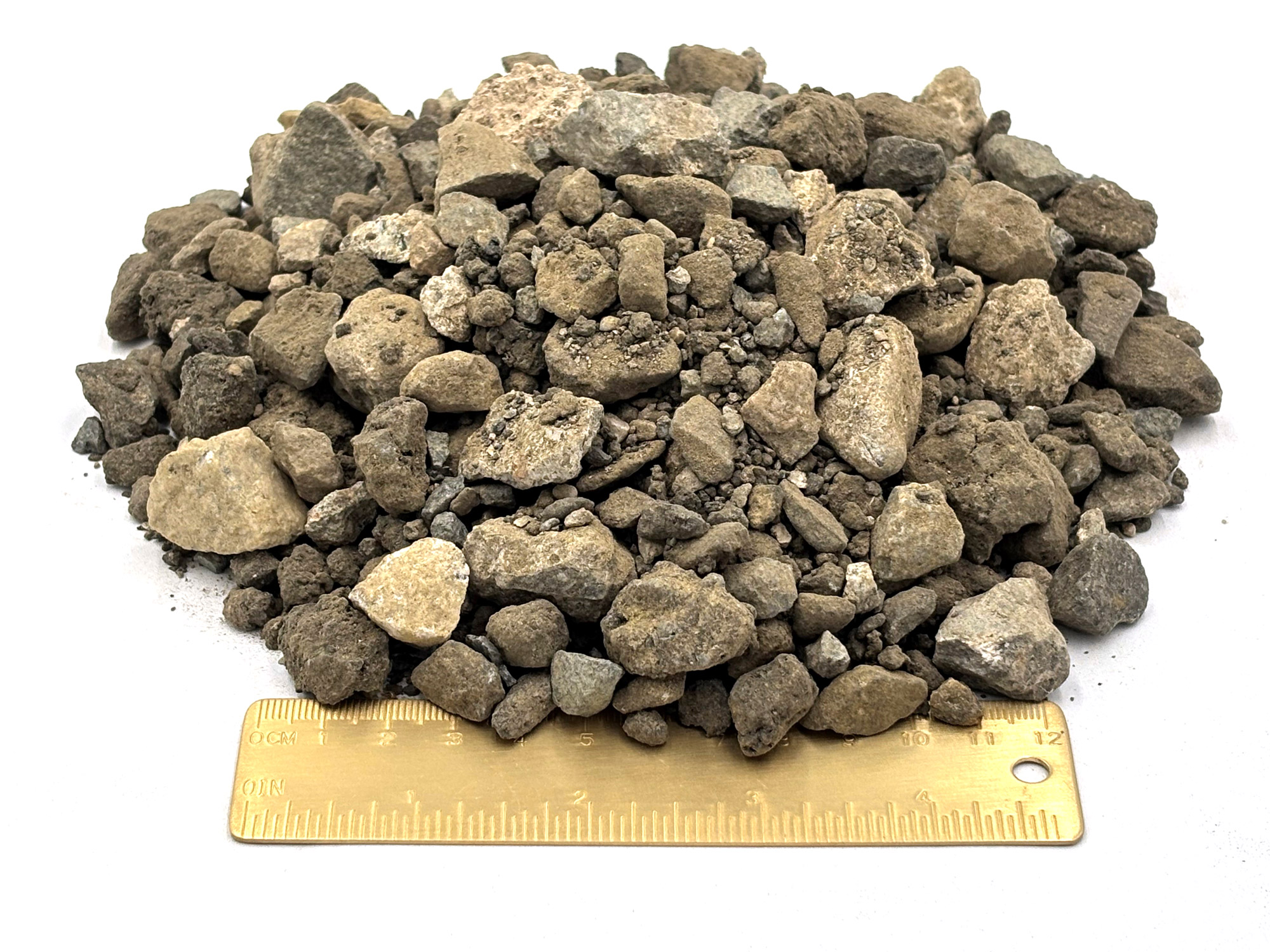
For municipal applications and parking structures, Crushed Miscellaneous Base (CMB) offers a balance of performance and sustainability. Often comprised of recycled material mixed with virgin aggregate, FST’s CMB provides an efficient bulk rock solution for California municipal projects, allowing contractors to meet compaction tests faster and save machine hours.
Technical Note: View the specific aggregate profiles available for your project at the FST materials portal: www.fstsand.com/materials/rock/
The Southern California Challenge
Designing roads in this region requires combating a unique triad of challenges:
Extreme Traffic Loading (ESALs): The Inland Empire handles some of the highest freight volumes in the nation.
Seismic Activity: Pavement structures must accommodate ground movement.
Clay-Rich Soils: Many local areas sit atop expansive clay soils.
This environment makes the quality of highway subgrade materials and gravel suppliers in California non-negotiable. Using a “dirty” base with plastic fines can be disastrous; the fines swell when wet and shrink when dry, destroying the pavement from within.
FST Sand & Gravel mitigates this risk as a proven California sand and gravel supplier. The geological deposit at the FST quarry in Corona yields hard, durable rock with non-plastic fines, ensuring volumetric stability regardless of moisture fluctuations. This is critical for CalTrans-compliant aggregate and bulk gravel applications.
The Economic Argument: Lifecycle Cost Analysis (LCCA)
Value engineering should never compromise the base. When performing a Lifecycle Cost Analysis (LCCA), the initial cost of the aggregate is a fraction of the total project. However, the quality of that aggregate dictates the maintenance schedule—particularly for large-scale Southern California roadway projects.
Scenario A: Marginal, out-of-spec base material leads to rutting within 3-5 years.
Scenario B:FST’s high-R-Value base aggregates sourced from a trusted California rock supplier maintain their cross-section for 15–20 years.
The “Total Cost of Ownership” (TCO) for Scenario B is significantly lower. Investing in premium FST Sand and Gravel materials reduces lane closures, liability claims, and the capital drain of premature reconstruction.
Supply Chain Reliability: The FST Advantage
For the Heavy Civil Contractor, specs are only half the battle. Logistics is the other.
Volume Capacity: FST can scale production for major freeway expansions without quality variation.
Consistent Gradation: FST’s fixed-plant processing ensures the Class II Base delivered on Day 1 matches Day 100.
Strategic Location: Centrally located in Corona, reducing haul times and carbon footprint.
Conclusion
No amount of polymer-modified asphalt can fix a yielding subgrade. For the Civil Engineer stamping the plans, the specification of the base material is the single most critical decision in the pavement design process.
By choosing FST Sand & Gravel, a leading sand, gravel, and rock supplier in Southern California, transportation professionals are not just buying rock; they are securing a legacy of durability. For technical specifications, gradation reports, and to discuss your next infrastructure project, visit fstsand.com or contact the FST sales or technical advisor team today.
1. What is RIP RAP (Armor Stone) and Why is Specification Critical? RIP RAP, often referred to as Armor Stone, is a foundational material in heavy civil engineering and infrastructure protection. It consists of layers of high-quality, dense, and durable rock strategically placed to shield soil and underlying structures from the erosive forces of water&hellip
Building a Flawless Patio from the Ground Up The Unsung Hero of Your Patio: Why the Right Sand is Your Foundation for Success Many homeowners invest significant time and effort into creating a beautiful paver patio, only to see it fail within a few years. When pavers sink, become uneven, or are overrun with weeds,&hellip
Why Clean Fill Dirt from FST Sand & Gravel is Essential for Southern California Projects Every great project, whether it’s a sprawling new patio, a perfectly level lawn, or the very foundation of a building, starts from the ground up. But beneath the surface of these impressive final products lies a crucial, often overlooked hero:&hellip